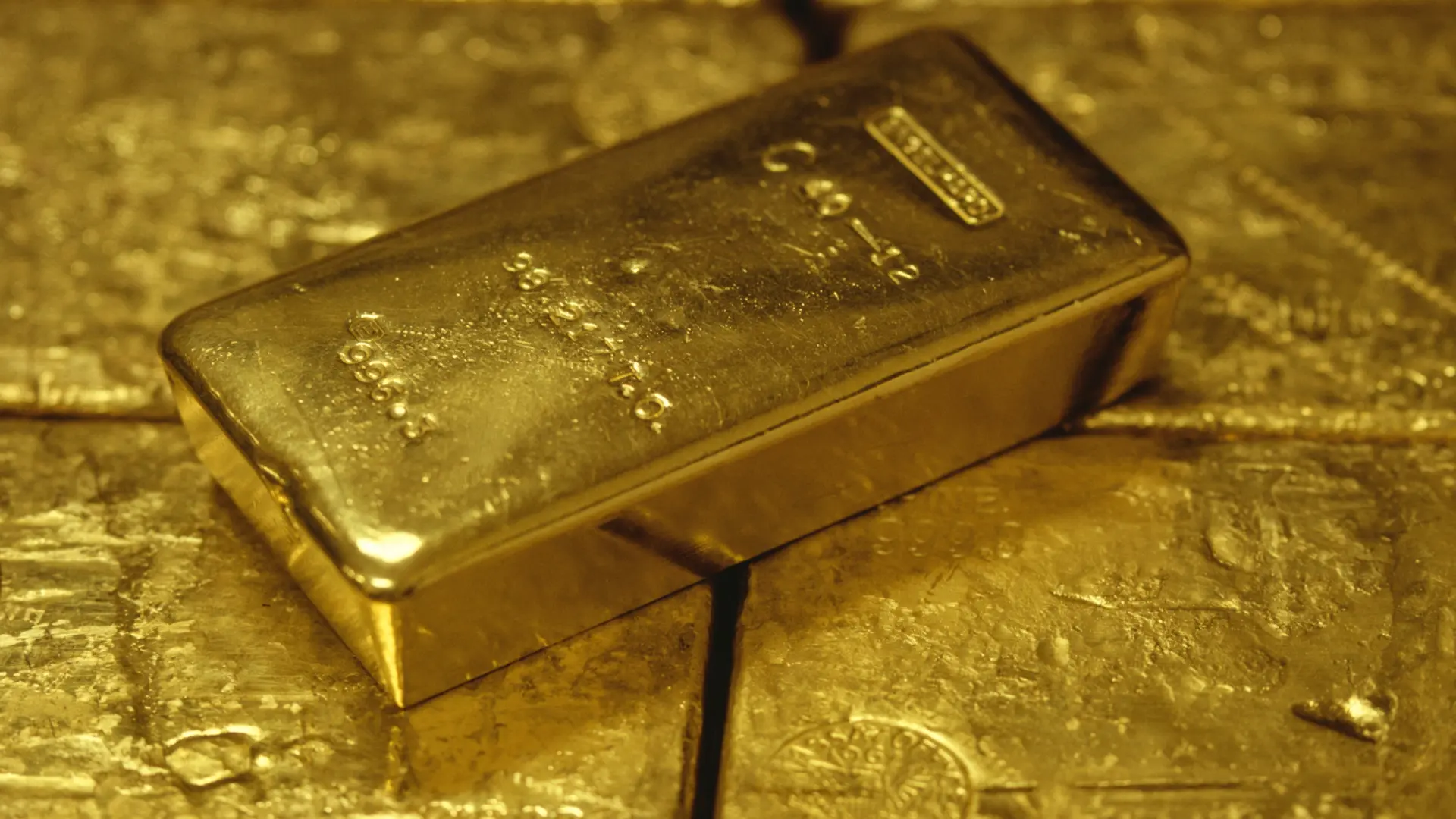
Gold heads towards $5,000 and breaks its historical relationship with interest rates
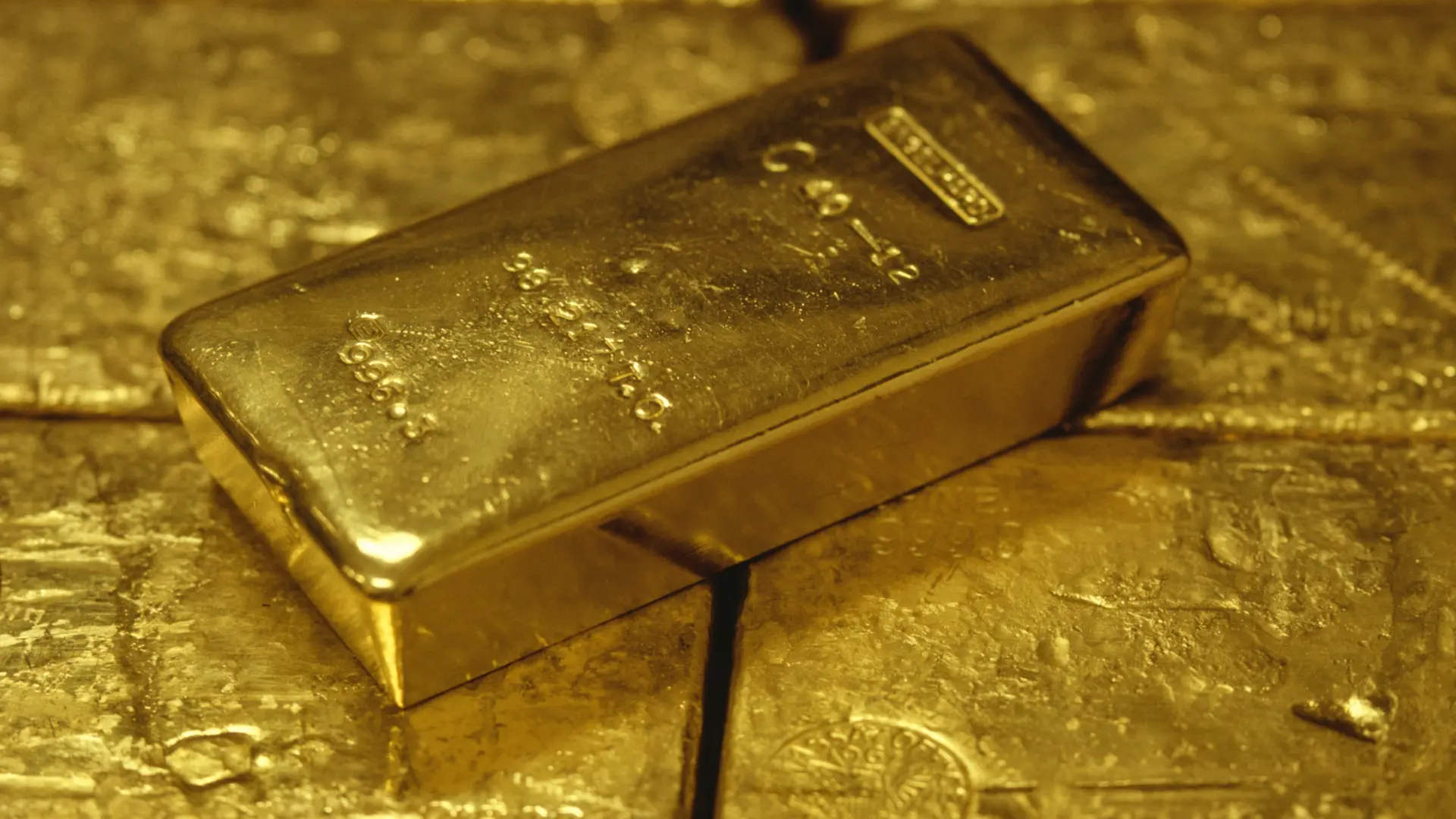
Gold faces the turn of the year with a behavior that is attracting the attention of analysts and investors. With gold trading in the final stretch of 2025 at all-time highs above $4,500, the precious metal seems to be heading towards the threshold of $5,000 in 2026. This is not a widely agreed central forecast, but rather a range that appears recurrently in analyzes of fiscal stress and structural demand.
But beyond the price level, relevant is that this movement It is taking place in an environment that, historically, was not favorable to it. For decades, gold has maintained an inverse correlation with real interest rates: when debt yields rosethe appeal of metal tended to decline. However, this relationship has evidently weakened in recent quarters, as indicated by the analyzes of the World Gold Council in its periodic reports on demand and market behavior.
Commodity strategists at banks such as Goldman Sachs and JP Morgan have pointed out in recent notes that gold shows less sensitivity to real rates than in previous cycles, supported by structural factors that go beyond monetary policy.
A behavior that defies the classic manual
In 2025, the US ten-year bond yield has remained above 4% for much of the year. In that same period, gold has recorded a revaluation much higher than its average historical. In a strategy report published in the second half, Goldman Sachs indicated that the negative pressure on real rates has been offset by the strength of official demand and by the growing prominence of fiscal risk in investors’ decision-making.
From this perspective, the gold advance would not be responding solely to expectations of rate cuts, but to a broader set of factors related to the global macroeconomic environment: high public deficits, greater volume of sovereign debt and a more fragile perception of fiscal anchors in developed economies.
Deficits, debt and central bank purchases
One of the recurring elements in the analyzes is the role of central banks. According to data from the World Gold Councilofficial purchases have remained at historically high levels since 2022, with a special role for emerging economies. This structural flow has reduced the sensitivity of the gold price to variables traditional ones like the dollar or interest rates.
The high budget deficit of the United States, which in fiscal year 2025 will reach 1.8 trillion dollars (about 6% of GDP) and persistent financing needs have been a relevant structural factor for global markets.
This gap between income and expenses, added to the Treasury’s financing needs, has coincided with a change in the operations of the Federal Reserve (Fed), which has resumed monthly purchases of Treasury bills. Treasure worth about $40 billionaccording to data from the Fed Bank of New York. Although these purchases focus on the short term, several analysts point out that they contribute to maintaining a high level of liquidity in the system.
This context has led some analysis houses to revise their forecasts upwards. Goldman Sachs places the price of gold close to $4,900 by the end of 2026, while JP Morgan contemplates levels around $5,000 in scenarios of prolonged fiscal stress. Some signatures like Yardeni Research go one step further and raises its target to $6,000, although it recognizes that this is an assumption conditional on the evolution of the deficit and monetary policy.
Gold and equities, competition or coexistence?
Another aspect that analysts emphasize is that the good performance of gold has not come at the expense of equities. In 2025, the main US stock indices have marked or touched historical highs, with the S&P 500 and Nasdaq supported by liquidity and by the growth associated with investment in artificial intelligence. This coexistence between assets traditionally considered alternative reinforces the idea that the gold is working less as a hedge tactical and more as a strategic asset.
From an asset allocation standpoint, gold’s move raises relevant questions. If the metal continues to advance In a high rate environment, the opportunity cost of maintaining exposure could be reduced compared to other defensive assets, such as government debt. At the same time, the ratings achieved They introduce an element of caution, especially for investors with short-term horizons.
Some managers emphasize that gold already discounts a demanding macro and fiscal scenario. For the ‘rally’ to be prolonged, they should remain very specific conditions: high liquidity, persistence of deficits and sustained institutional demand. Otherwise, the risks of consolidation or correction would increase.
A change in signal more than price
Overall, the debate around $5,000 per ounce transcends the specific figure. What markets are seeing is a change in gold’s role within the financial system. The breakup of their historical relationship with interest rates suggests that the metal is incorporating variables other than the traditional ones, related to trust in politics fiscal and monetary. For the investor, gold is no longer just a thermometer of inflation or rates and begins to reflect tensions broader system. A behavior that deserves to be followed closely in 2026.