“It allows you to take better advantage of savings opportunities”
Saving in the shopping cart continues to be a daily challenge. Although food inflation has now moved away from the high levels of previous years and is heading towards 2%, Spanish consumers are always looking for new formulas to fill the refrigerator in the most economical way possible.
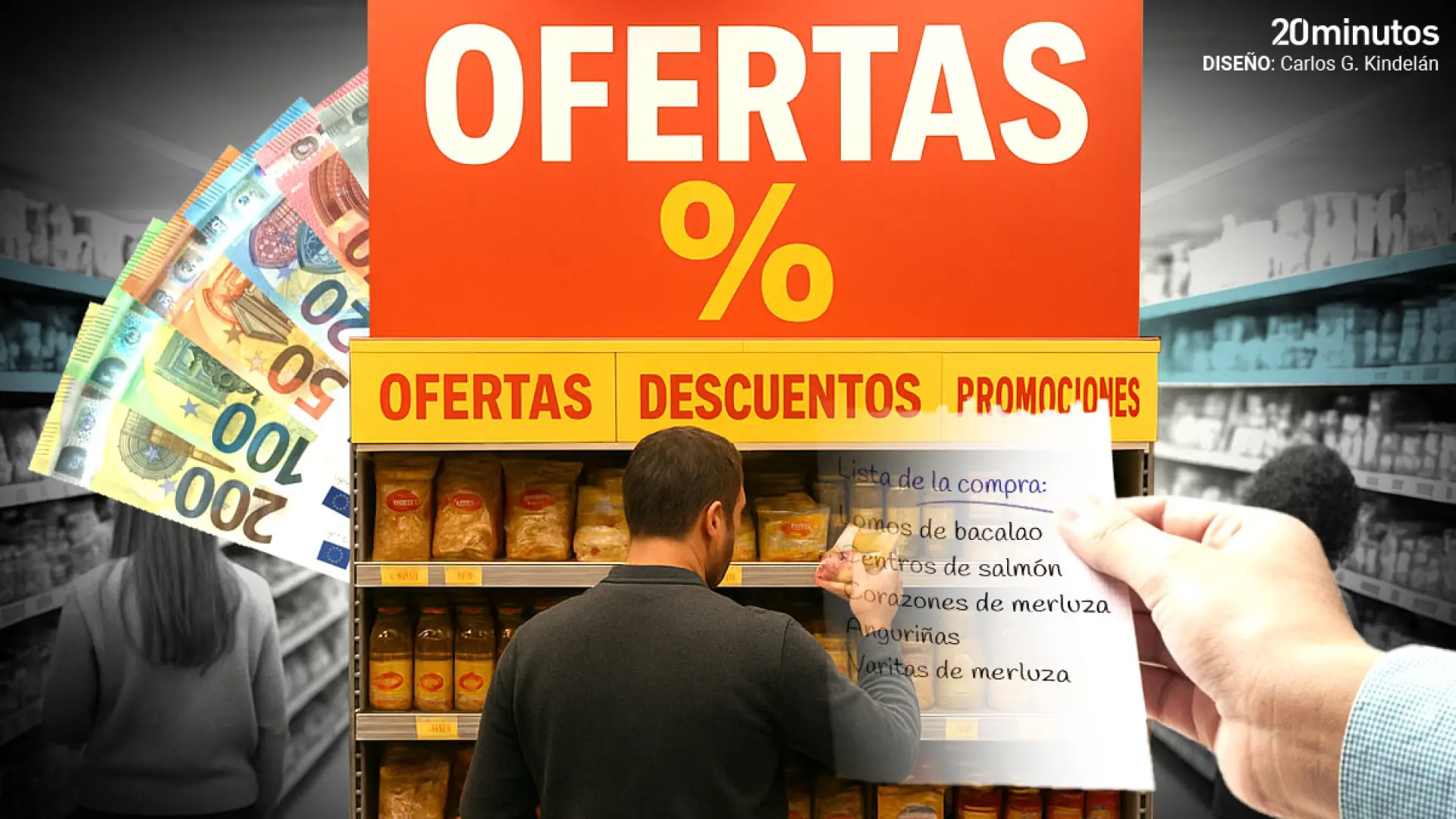
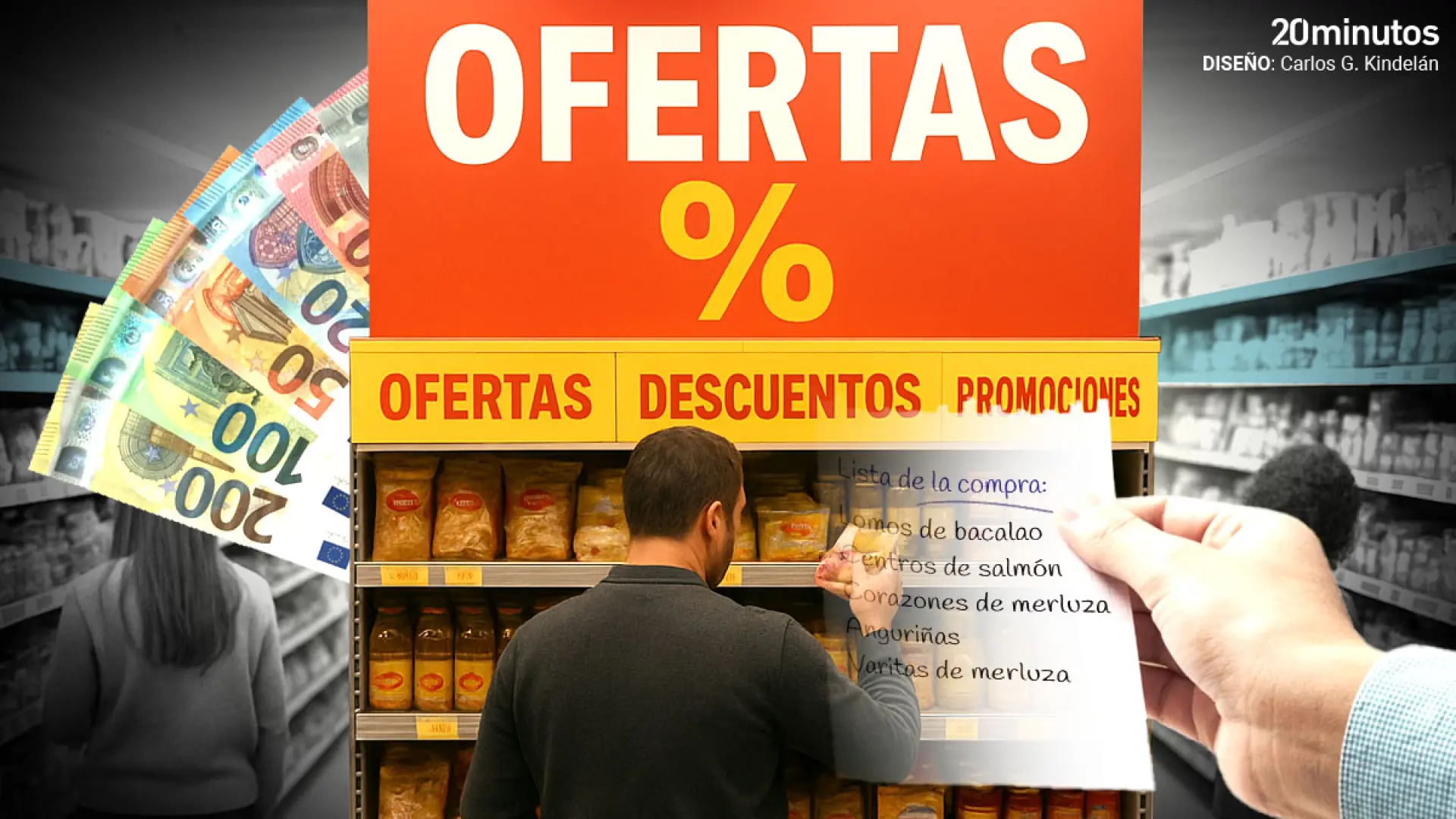
In this context, a way of shopping in the supermarket is gaining ground in which the customer looks above all for offers, discounts and promotions: the improvised savings. According to the second edition of the study ‘Your pocket a day’ carried out by the Dia supermarket chain, Almost half of families (47%) already make purchases without planning, guided by promotions and discounts.
“Consumers, in a changing economic and social environment, are looking for quick and effective formulas to adjust their budget. Increasingly, Families prioritize price and are guided by promotions. Not in vain, seven out of ten consumers (73%) consider price as the main factor of loyalty to a supermarket,” Dia explains.
This novel behavior also implies a change in purchasing habits: “Today smaller and more recurring baskets predominatewith 43% of customers opting for daily shopping and 39% preferring weekly shopping.” “With average budgets ranging between 25 and 100 euros per person per week, Unplanned savings are consolidated as a more flexible way of buyingwhich allows you to better take advantage of savings opportunities on a daily basis,” say the aforementioned sources.
Not even the moderation in prices that has been observed since 2024 and that has been consolidated in 2025 has made Spaniards lower their guard with the shopping basket. “The experience of recent years, marked by price increases, has made consumers incorporate new savings techniques and adjust their purchasing habits to better take care of their budget.
“It is an increasingly conscious behavior”
The question that arises with this trend is that if this kind of fever for savings can lead us to a more compulsive way of buying and we find that we buy what we don’t need just because a certain product has a discount.
“Unplanned saving should not be confused with compulsive buying. This is an increasingly conscious behavior, in which consumers improvise their basket with the aim of taking advantage of promotions and discounts to reduce their spending,” Dia insists. “More than an impulse, what we see is a new form of intelligent purchasing adapted to the economic context, in which the consumer seeks to maximize the value of each euro.”
Taking into account the profile of the consumer who opts for improvised savings compared to the traditional shopping list, the report points out that “unplanned savings are present in all ages and hardly shows differences between men and women“, although “it is clients between 26 and 45 years old who practice it most frequently.” From the age of 46, however, planning gains strength, reaching a third of clients in the 46 to 55 age group.
Subscribe to the Mi Bolsillo Newsletter to receive the best tips and tricks that will allow you to get the most out of your budget.