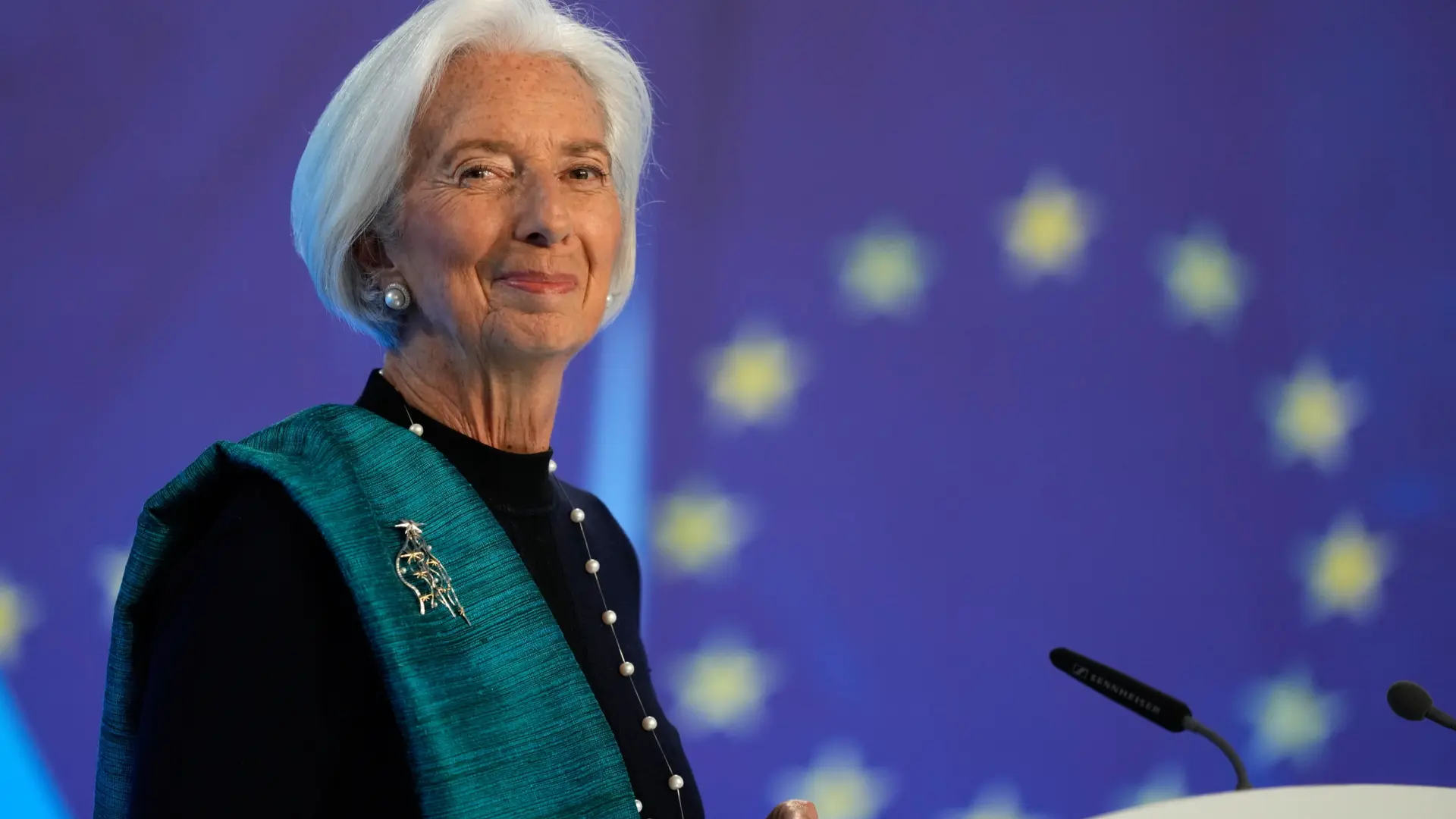
Lagarde defends that 2% is a “good place” for interest rates and highlights the resilience of the economy
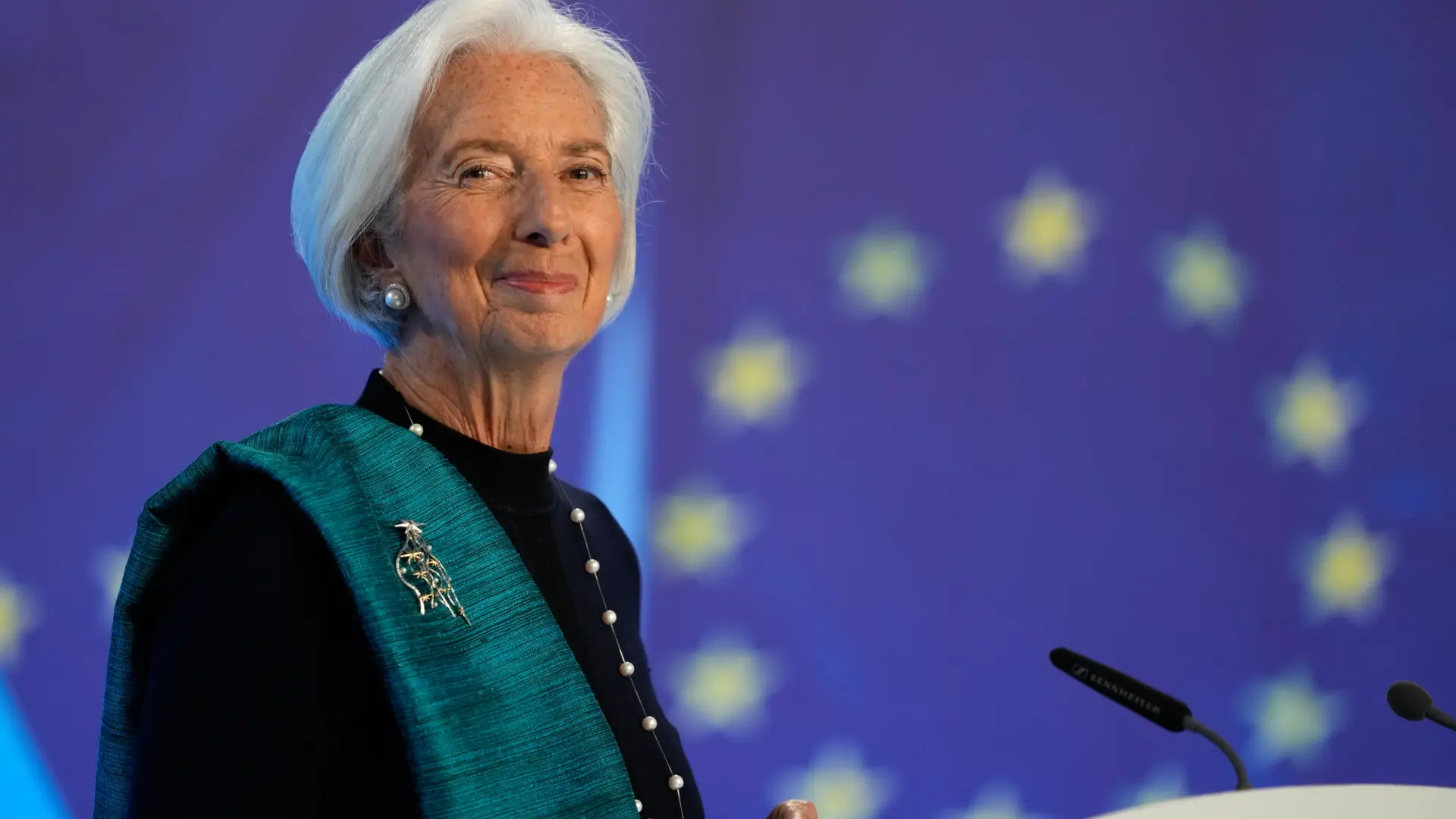
The president of the European Central Bank (ECB) leaves no room for doubt and assures that interest rates “are in a good place” above 2%, although they are not static. These statements confirm the floor of the money reference rate, ending the cycle of cuts. The Governing Council of the organization has made this decision unanimously in the heat of the economic and inflation forecasts, which have risen in both cases. The forecast for activity for 2025, which improves by two tenths, to 1.4%, but also for inflation, removes the possibility of undertaking new decreases to stimulate the economy.
Lagarde has highlighted the “resilience” that the eurozone economy has shown, with an expansion of 0.3% in the third quarter, motivated by greater consumption and investment. “The sectoral composition of growth was dominated by services, especially in the information and communication sector, while activity in industry and construction remained stable. “It is likely that this pattern of growth led by services will continue in the short term,” he explained, to focus on the “solidity” of the labor market, after unemployment closed October near its historic low, at 6.4%.
The Frankfurt-based organization contemplates that domestic demand will become the engine of the expansion of activity, while real incomes continue to increase and the savings rate gradually reduces. “Business investment and substantial public spending on infrastructure and defense should increasingly support the economy. However, the difficult global trade environment will likely continue to hamper eurozone growth this year and next,” he said.
In this context, the person responsible for monetary policy in the eurozone has commented that lower energy prices should relax the pressure on inflation, which will be below 2% in both 2026 and 2027. Specifically, she projects a CPI of 1.8% and 1.9%, respectively. Despite this, he warns that although trade tensions have eased, the international environment continues to be “volatile”, which is why he calls not to let our guard down in case supply chains are interrupted or the situation slows down exports. “Geopolitical tensions, particularly Russia’s unjustified war against Ukraine, remain a major source of uncertainty,” he added.
The financial system is not immune to these circumstances, which could compromise financial stability. Like the vice president of the ECB, Luis de Guindos, he has put on the table the possibility that a correction in the financial markets could also affect the financial sector. “Macroprudential policy continues to be the first line of defense against the accumulation of financial vulnerabilities, by reinforcing resilience and preserving room for action,” he stated.