Spain strengthens with France and Italy for Mediterranean fishing quotas in 2026 with everything open and very difficult negotiations
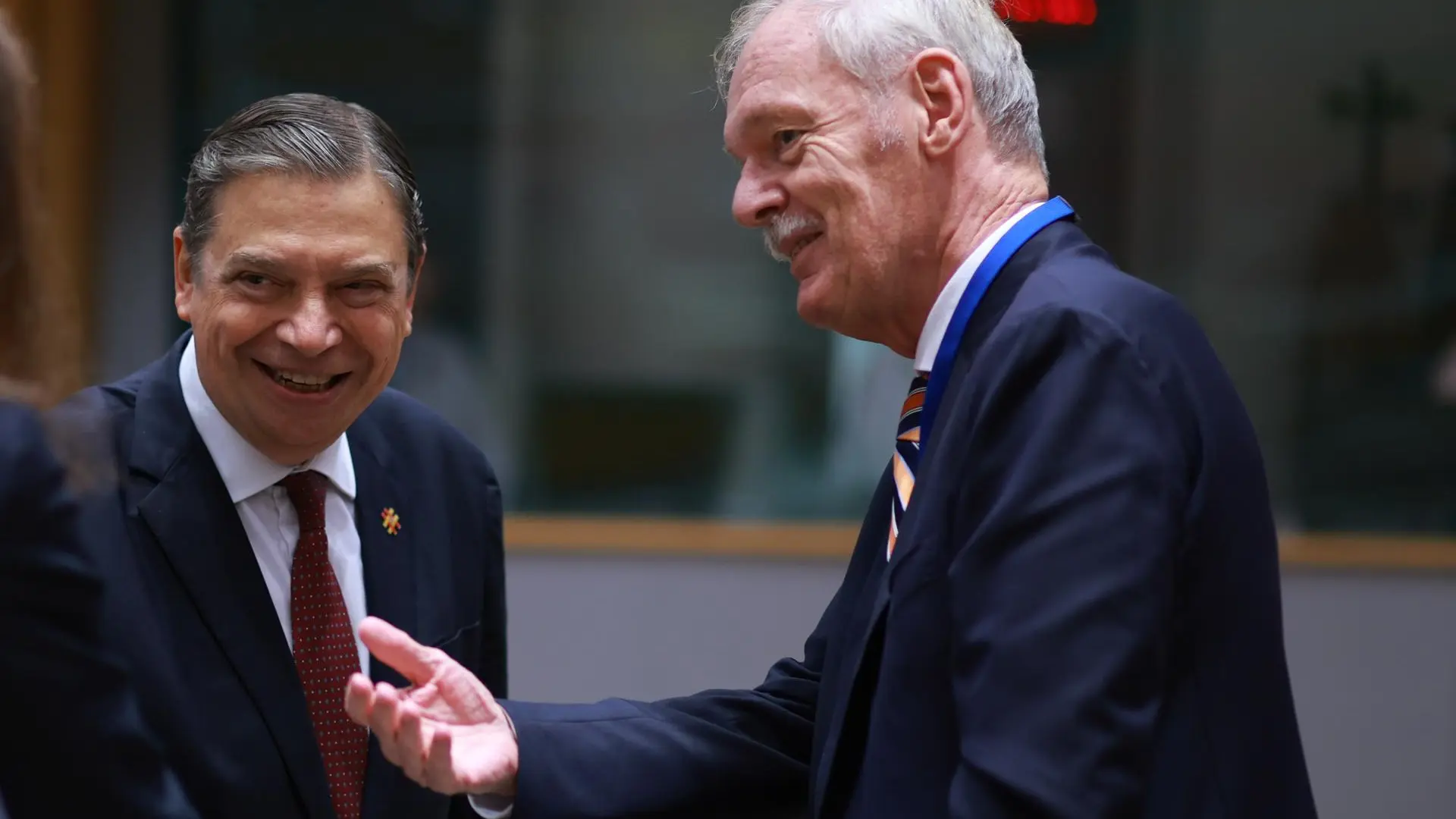
Fishing quota negotiations in the EU are some of the most complex every year, and this time was not going to be an exception. The ministers of the 27 continue to negotiate in Brussels the capacities for 2026, in conversations that are being very complex, as community sources have confirmed. In fact, the summit could be extended until Saturday. In this context, Spain strengthens and alliance with Italy and France for the Mediterraneanand the three countries agree on the essential elements and seek to clarify the particularities to launch a common position.
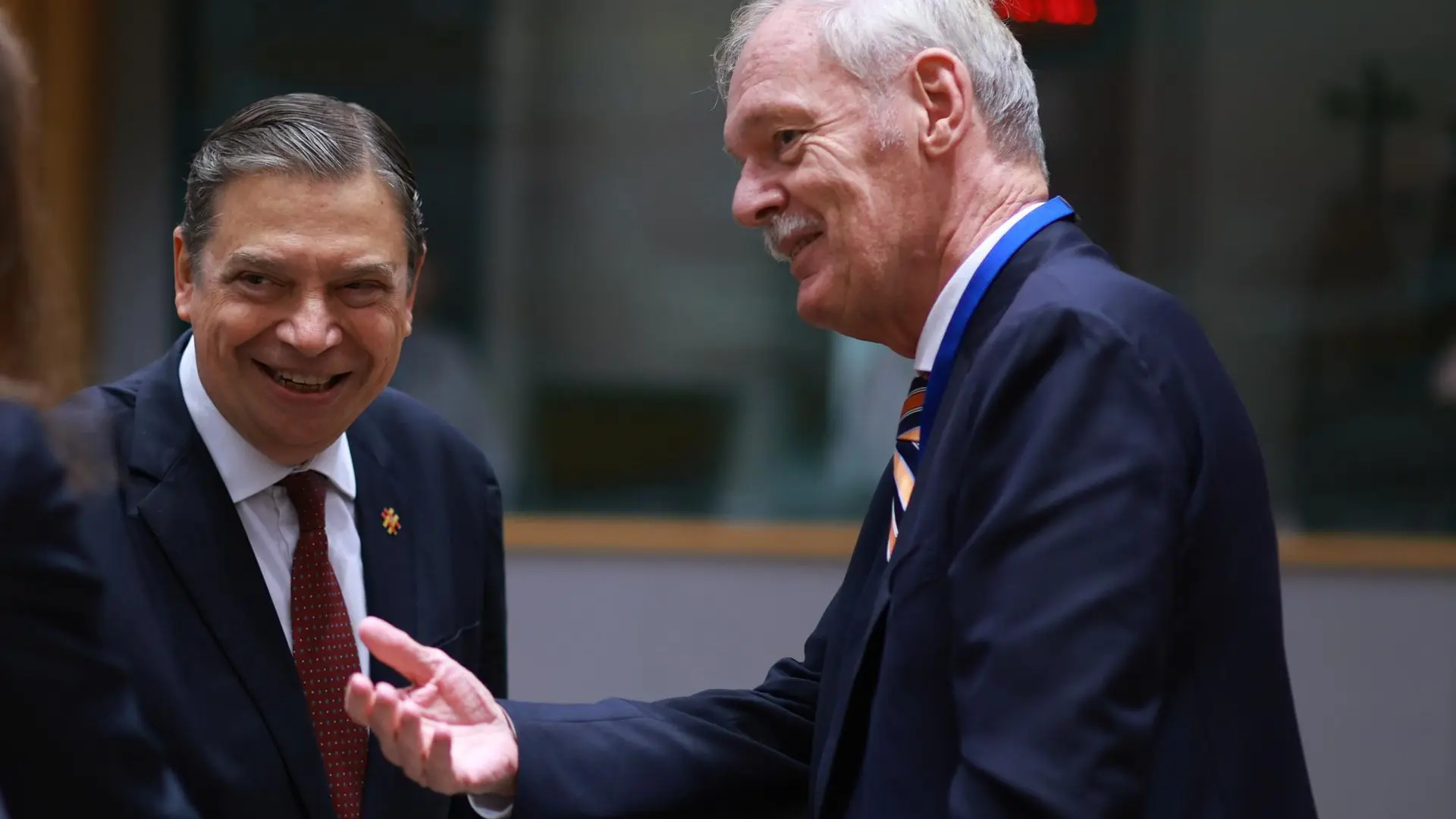
Minister Luis Planas had already arrived in the community capital on Thursday with a “positive spirit” for the negotiations, but aware that the European Commission’s proposal is unaffordable for Spanish interests. In this context, the sources explain that in 2025 a very important effort was already made both in the sector and at the administrative level. Since Thursday, a compromise proposal for the agreement has been made, but it is insisted that the negotiations are being very complex and with many elements at stake.
The European Commission has put a proposal on the table in which it is committed to limiting the working hours of workers. 557 shipyes to 9.6 annual fishing days on average per vessel during 2026. It should be remembered that, for this year, Brussels has already reduced the so-called ‘fishing effort’ to 27 days per boat per year. Which was later qualified, on condition of adopting certain measures, up to around 130 days per vessel.
The proposal of the community Executive estimates its cut on fishing days this year (the so-called ‘fishing effort’) from the cuts initiated since the entry into force of the Western Mediterranean Management Plan in 2020. Something that had not happened before. According to the sector, between 2020 and 2024 the working hours of this fleet have been reduced by 40.5%. All this, despite the fact that the Commission’s draft opens the possibility of equalizing this year’s fishing days, in exchange for technical measures.
Two different regulations are discussed in parallel. He Mediterranean and on the other hand in the Atlantic and There are open elements such as those that have to do with mackerelwhich is a stock that is decided in coastal States. Species such as crayfish, haddock or bluefin tuna are also being an important part of the conversations; With the northern hake and the southern hake, it is hoped that the Spanish proposal can come to fruition.
Precisely, the agreement of coastal states on mackerel is not closed and is very important for the interests in Spain; If there is no agreement, we are looking at how the fishery can start anyway, because it is a seasonal fishery: the alternative is to see how a provisional solution is found in the absence of a complete pact.
On the other hand, Spain has distributed a simplification document among the partnersin an exercise to see where there is room to reduce and facilitate processes for fishermen and the industry and for the administration itself, the sources confirmed. In any case, in Brussels it is insisted that the agreements reached so far at the summit are on minor issues.
Furthermore, following the words of Minister Planas on Thursday, Spain denounces that Brussels’ proposal is based on an ill-advised approach: setting the days of activity based on the state of the most fragile species – the Norway lobster -, an indicator that, it argues, distorts the real portrait of mixed fisheries. The Government emphasizes that more than 550 trawlers have incorporated improvements to increase the selectivity of catches and that nearly 200 ships already operate with flying doors, advances that, he maintainssupport the reports that point to a clear recovery of the populations.