Talgo approves the entry of Jainaga and Sepi with the replacement of the president and the headquarters on the table
Talgo meets its objective and leaves tied before the end of the year the financial restructuring operation and the entry into its capital of the Basque consortium led by businessman José Antonio Jainaga and the State Society of Industrial Participations (SEPI). The railway manufacturer has obtained the expected approval of its shareholders at the meeting held this Friday to, among other things, close the stage of the instrumental company Pegaso, which channeled 29.7% of the capital in the hands of the Trilantic fund and the founding Oriol family.
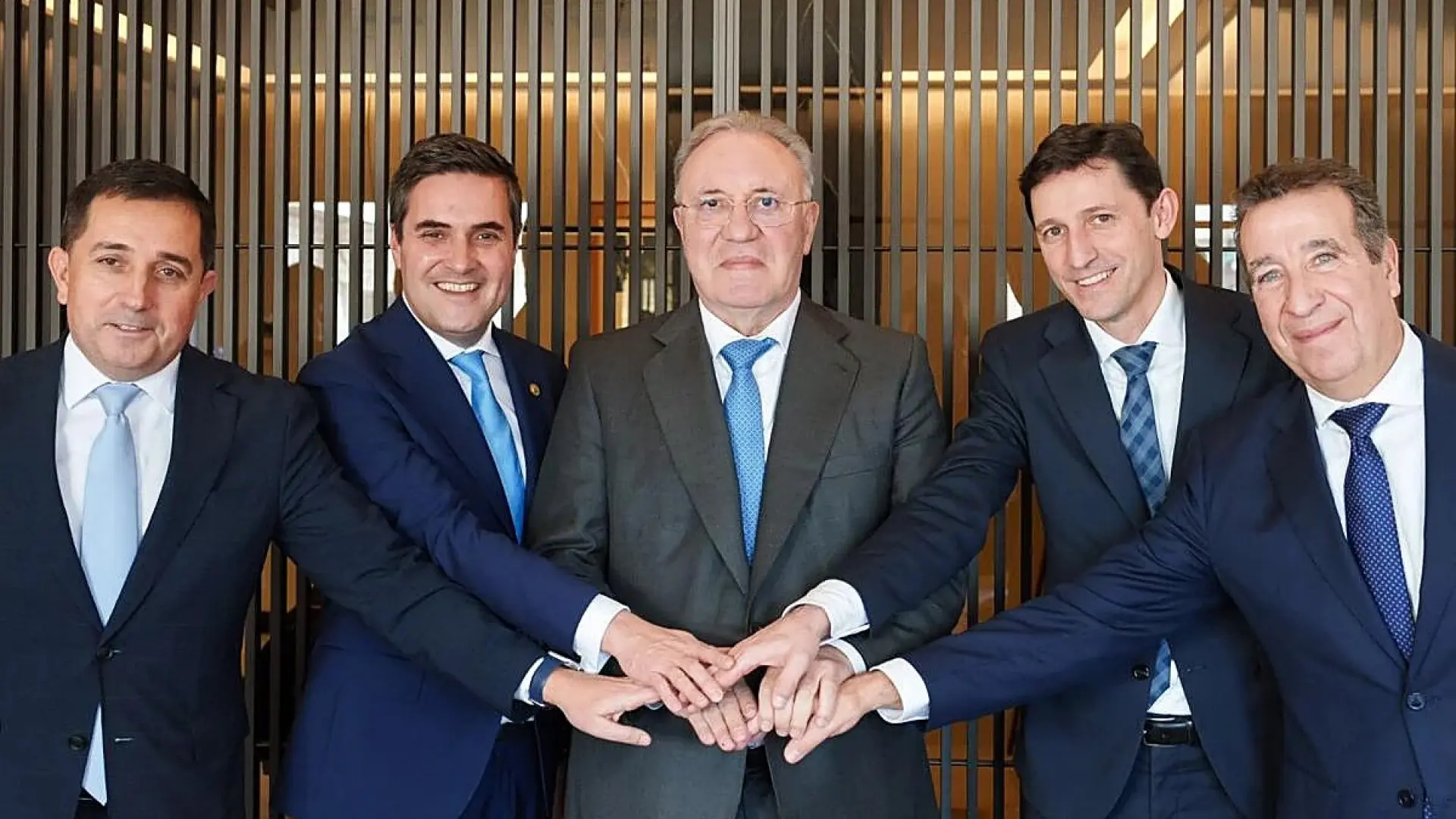
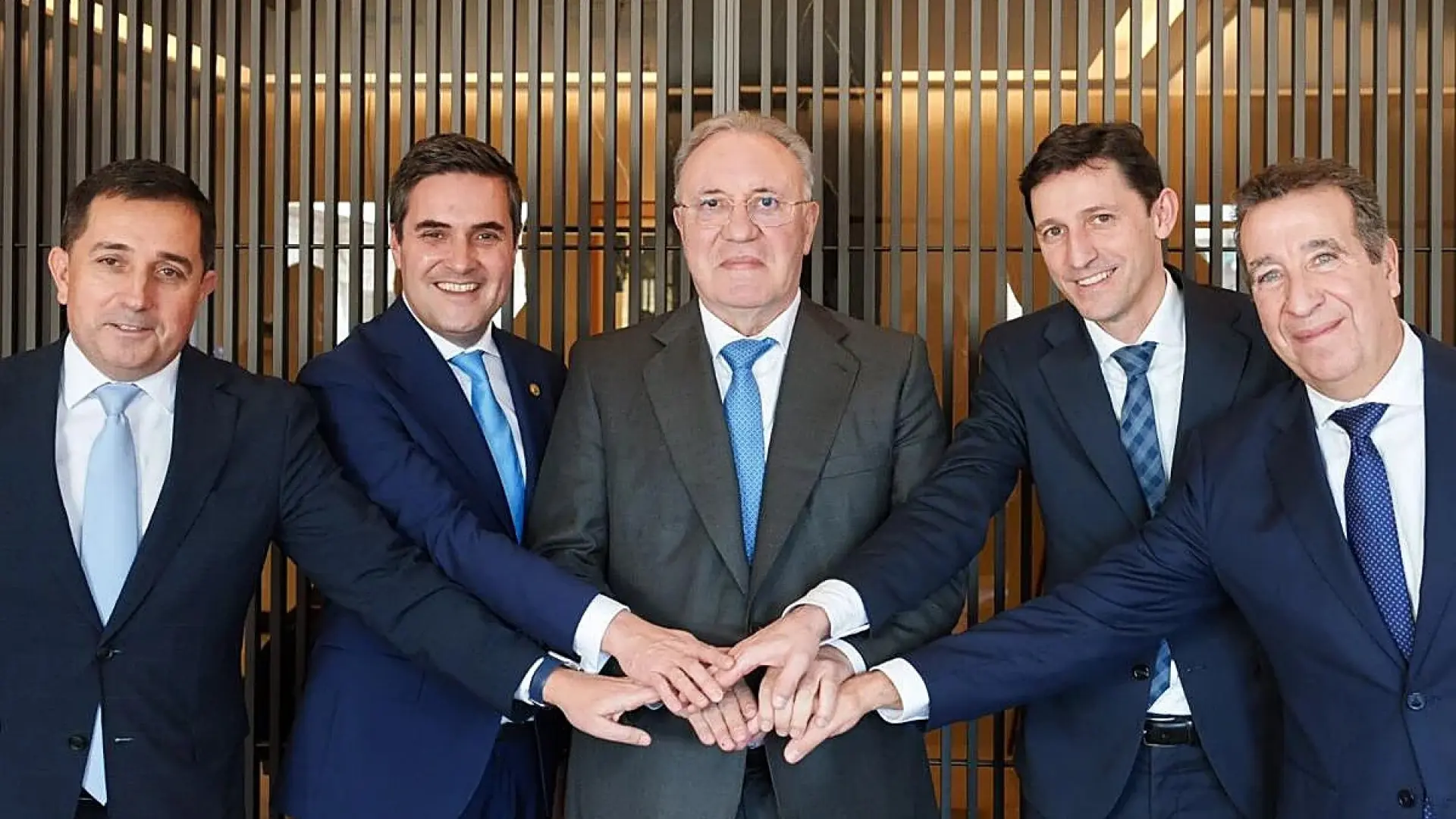
After receiving the ‘green light’, the Basque group headed by Sidenorhand in hand with the foundations BBK and Vital and from the public fund of the Basque Government Finkatuzacquire the aforementioned package of shares, in exchange for 156.67 million – which places the share at 4.25 euros -. For its part, The investment arm of the Government takes over 7.8% of the capitalat the same price, after paying 45 million (plus an additional 35 million in a convertible bond issue). Together they would exceed the 30% limit for launching a takeover bid, but both parties rule out taking all of the shares. Likewise, the issuance of more bonds convertible into shares has been approved, for a total of 75 million, which will be subscribed by the Basque consortium.
Finally, the shareholders have ratified the debt refinancing strategy with 770 million euros of credit. Of them, 650 million will go with a partial guarantee from CESCE and the remaining 120 million are articulated in a ‘revolving’ tranche (as the funds are returned they can be reused, with the corresponding interest, and serve to finance operating expenses). Added to this is a line of guarantees of up to 500 million euros with a partial guarantee from CESCE.
With this chapter closed, Talgo still has duties to resolve. On the table there is an change in the presidencyaccording to what was revealed weeks ago by the head of Transport Óscar Puente, who will take the reins that Carlos de Palacio y Oriol has held since 2002. Whoever occupies this seat will have to face the arduous challenge of execute the new industrial plan that the company desires to solve its lack of industrial capacity, while the moving headquarters from Madrid to Álava that the Basque consortium has under its arm and resolves the fine of 116 million euros that Renfe imposed on him for the delay in the delivery of the Avril trains,
With this operation, Talgo puts end to a renovation that began with the interest of the Hungarian group Ganz-Mavag, whose project would finally come up against the Government’s veto by alleging risks to “national security” due to its links with the Kremlin; continued with the staging of other candidates like the Czech Škoda Transportationwhose proposal did not come to fruition due to the lack of an economic offer, and is now materializing with the landing of the Basque consortium and the state vehicle.