The European stock market gains attractiveness compared to the “limited” valuations in the United States
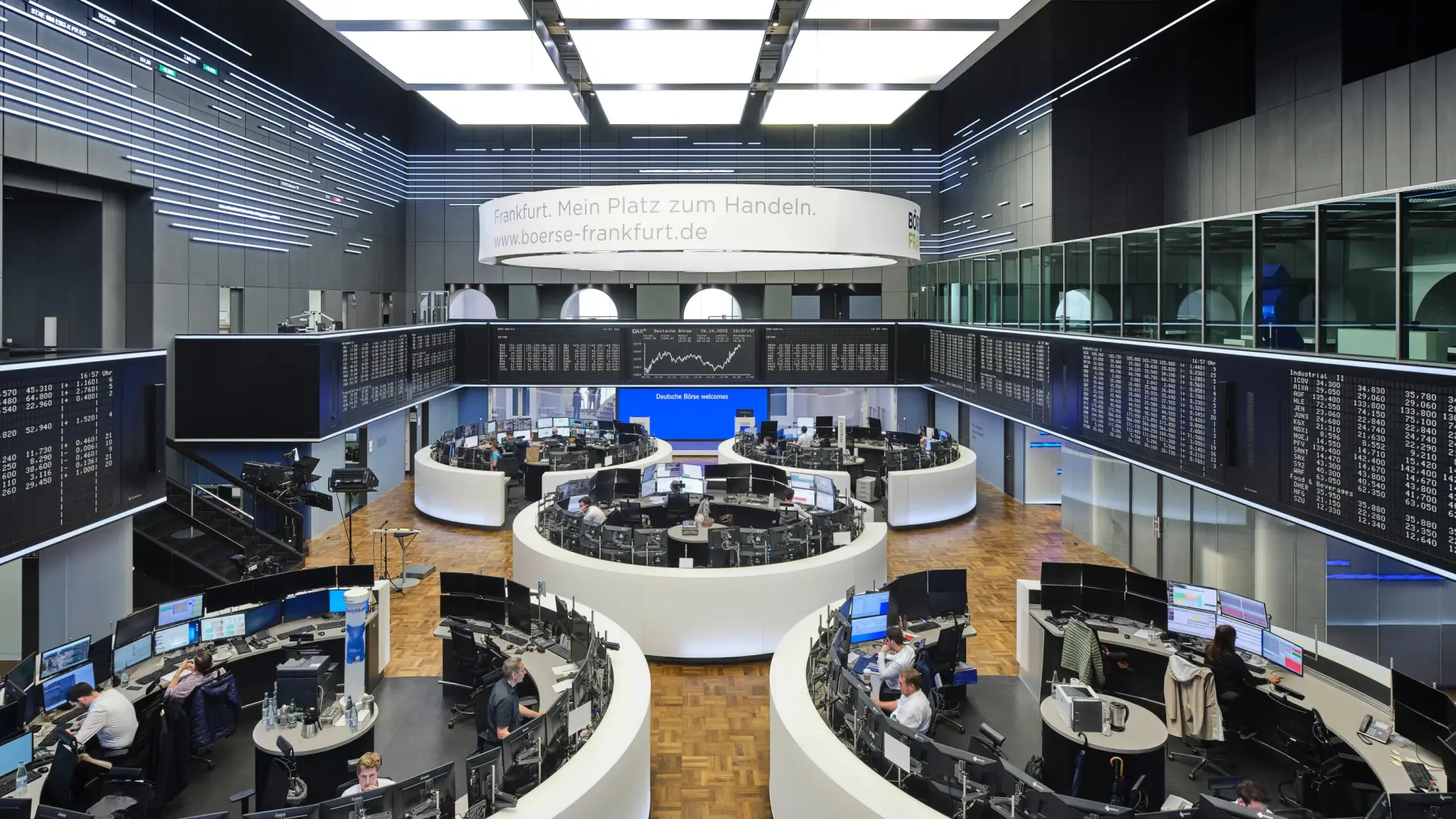
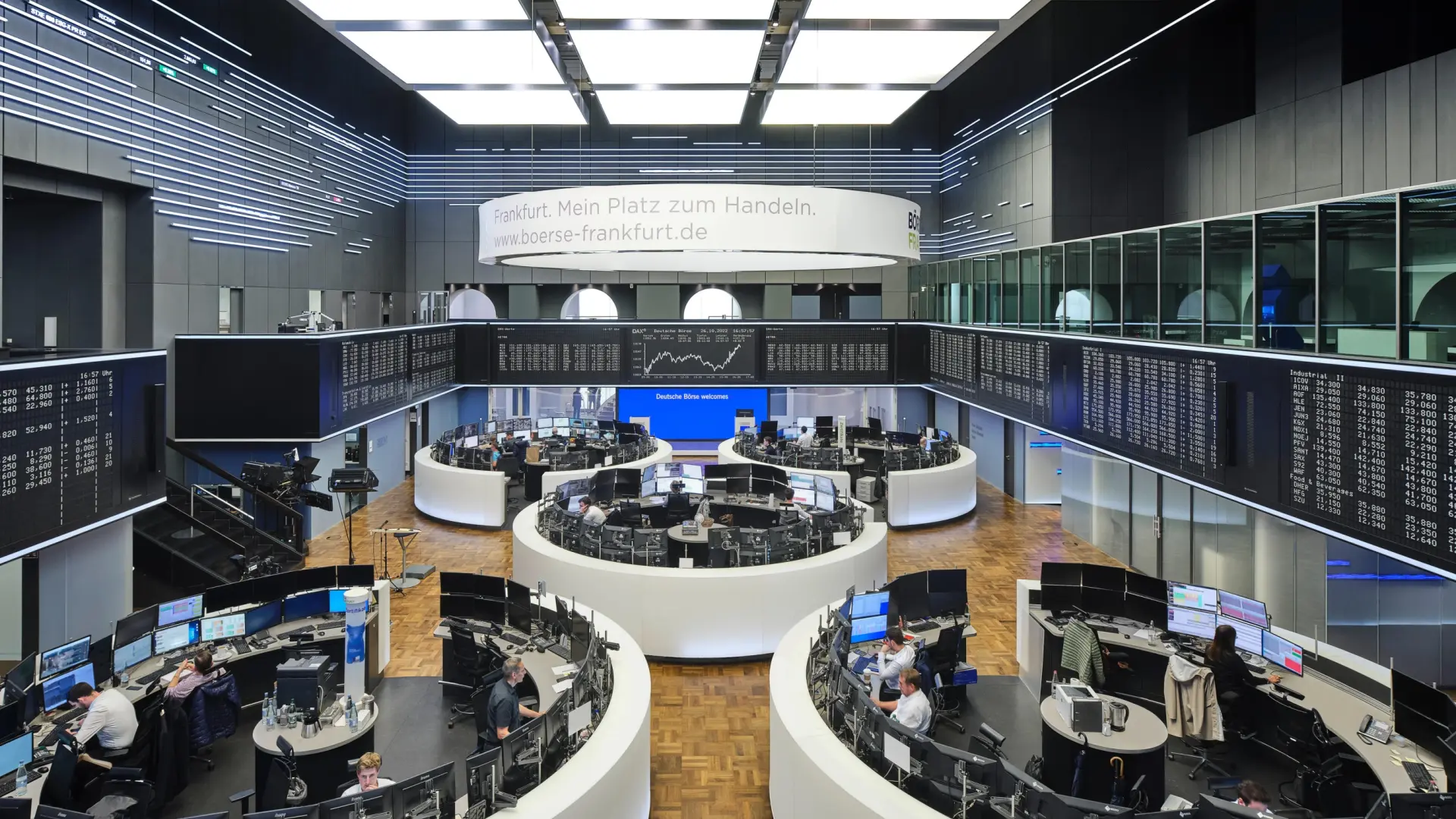
Nobody expected Europe to have the last word in a market dominated by American technology giants. But while the S&P 500 faces valuations that barely leave room for error, the European stock market has valued its fundamentals and Its profit potential already exceeds that of Wall Street.
The figures do not lie. The combined profit of the Stoxx 600 companies is expected to grow by 13.4% in 2026. In the case of the S&P 500, the consensus points to 12%. This difference, although it may seem slight, becomes relevant if we take into account that European stocks are trading at a ratio of price–benefit (PER) 14.2 times for that same year, compared to the 22 times that are paid for the profits of American companies.
With valuations in the United States installed in the 99th percentile of their historical series, any disappointment can have disproportionate effects. Citi analysts believe that European equities offer a more favorable risk-return ratio. The US bank estimates that the Stoxx 600 could reach 600 points by mid-2026, which implies an additional 5.2% move from current levels.
The bets of UBS and Citi
That appeal is not limited to aggregate data. Among Citi’s specific bets are Siemens, score and Vonovia. In the case of Siemens, the combination of contracts linked to infrastructure, the possible partial spin-off of its subsidiary Healthineers and a revaluation of 87.4% in the last two and a half years the become one of the favorites of analysts. UBS, for its part, is betting on Santander, MTU Aero Engines and STMicroelectronicswith a focus on sectors such as banking, defense and technology.
The company Adyenwhich appears also in both teams, represents another example of renewed interest in European firms. The company has adjusted its forecasts after a lower-than-expected second quarter, but UBS experts believe that expectations for 2026, together with the good tone of its business this year, place it in an attractive position. ASML and SAPon Citi’s list, complete a selection that reflects a more ambitious Europe.
More macroeconomic support and a better starting point
Improving profits is not the only argument. The macro context accompanies. Unlike the United States, where the rate cycle still raises doubts, Expectations of a more flexible monetary policy are consolidated in Europe. The fiscal impulse remains alive, with Germany rolling out public investment plans and the south of the continent benefiting from European funds.
The political component cannot be ignored either. Despite the uncertainty generated by the resignation of the French prime minister, firms such as Carmignac They believe that the effect will be limited and that European growth will continue on its course. Germany gains traction with its modernization program, while the European periphery finds support in Next funds generation EU.
Analysts also highlight the improvement in dividend distribution. Capital group affirms that 2025 will be another good year for shareholders, with sustained growth in all regions. The dividends, he points out the signature, They are a key indicator of financial health, and in Europe this remuneration channel is gaining prominence.
It’s not all roses
However, don’t youeverything is optimistic. The environment is still marked by a high sensitivity to business results. Vontobel warns that, with demanding valuations, any negative surprise can have amplified effects. For this reason, firms like AXA IM call for managing risk more precisely. But even in that scenario, the European stock market appears better positioned. The margin of safety offered by its multiples, combined with expected earnings growth, provides a shield against volatility.
On the other hand, the prominence of artificial intelligence (AI) It also permeates Europe. Although the bulk of investments are concentrated in the United States, European companies are beginning to capture some of the momentum. Morgan Stanley estimates that AI could generate value of up to $16 trillion in the long term. This figure will not be distributed evenly, but the sectors technological and industrial of the Old Continent are already positioning themselves to capture their share.