This is how they travel from the ground to your super
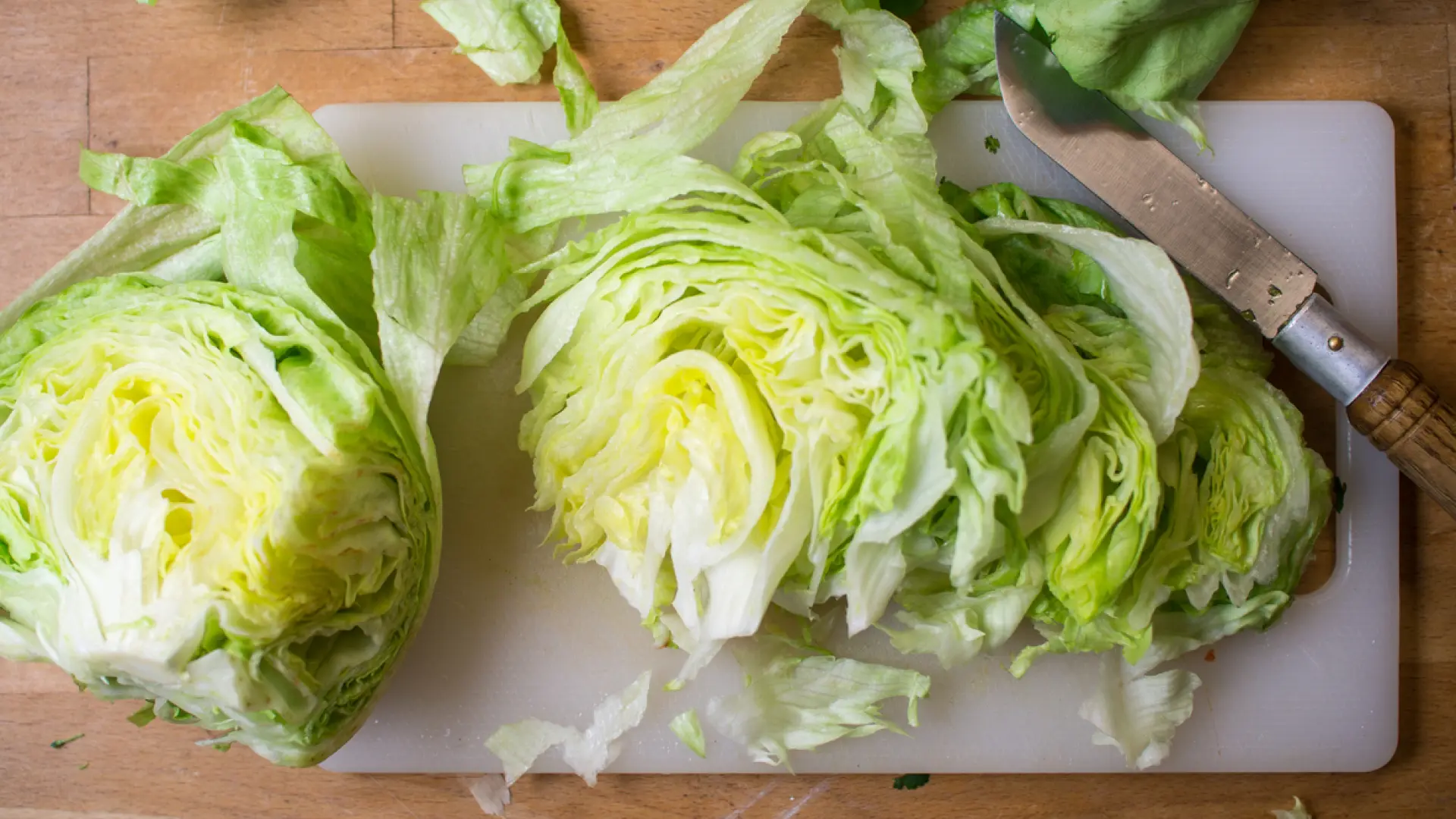
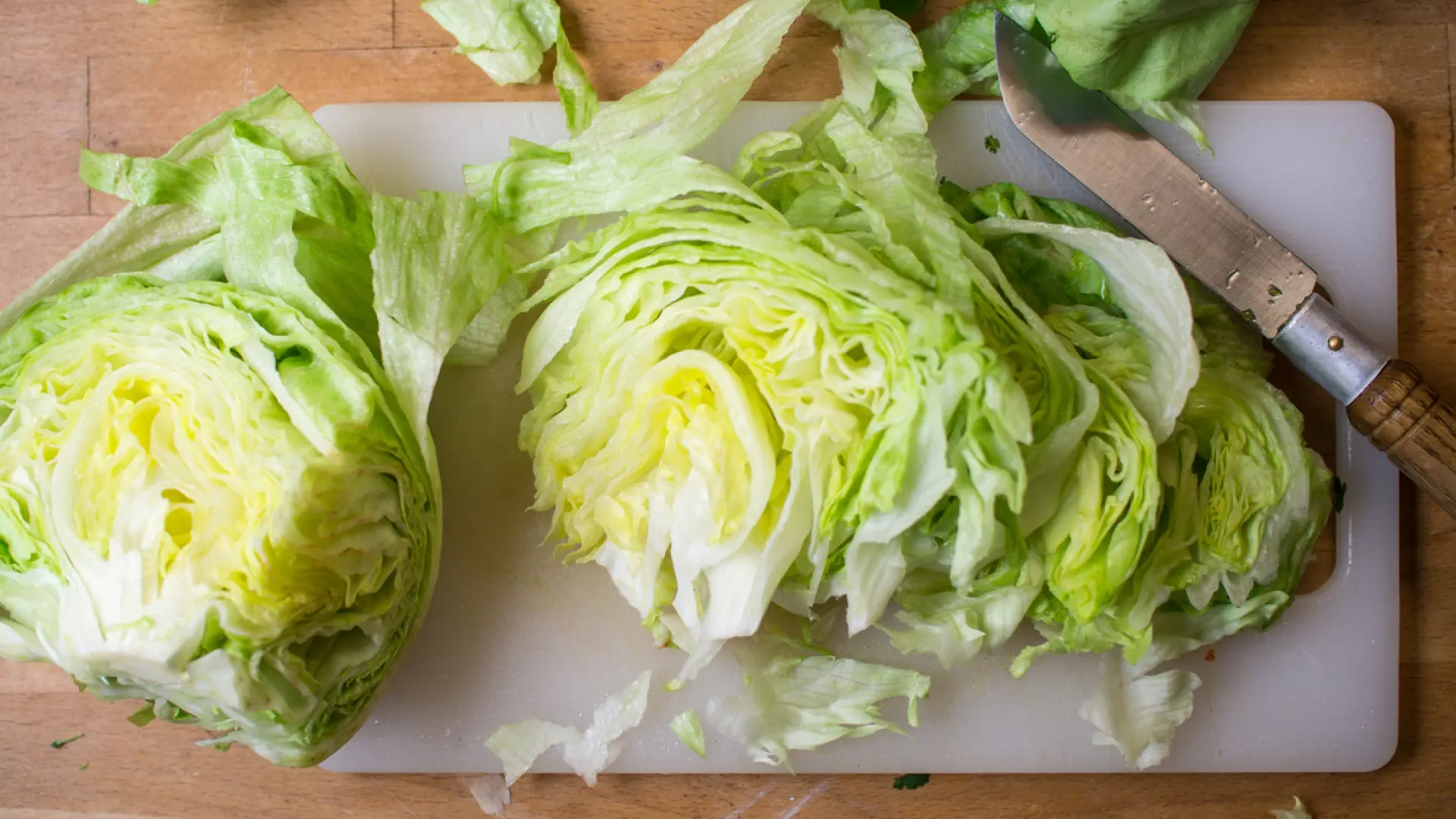
It can be the garnish in many different dishes and is the fundamental condiment of any salad worthy of the name: lettuce. There are different types such as red and iceberg lettuce, arugula, curly endive or green lamb’s lettuce, among others. All of them perform a ‘journey’ from the land where they were born to the shelves of our supermarkets or the tables of our restaurants. A journey for which they have their own ‘DNI’ or ‘registration’which allows companies such as the Spanish Florette – linked to the French cooperative group Agrial – know information as diverse as the days on which they were planted and collected, as well as the type of fertilizer received.
With more than 750,000 salads distributed daily, through more than 14,000 points of saleand with more than 2,000 hectares cultivated Located in places as diverse as Navarra, Toledo, Alicante and Gran Canaria, in Florette the need for a DNI for its lettuces becomes an operational necessity. Its director of Quality, Sustainability and Innovation, Javier Les, explains to ’20 minutes’ that “traceability is the record of that journey from the field for each vegetable and guarantees a careful and rigorous process, endorsed by quality references such as GLOBALCAP, GRASP, LEAF and our own reference Florette”.
For the university professor and expert in marketing, advertising and communication, Ramon Martín-Guart, “Traceability is no longer a process that ‘works behind the scenes’invisible to the consumer. It is a seal of transparency, sustainability and trust, and brands should take care of it as much as their own algorithm.” For Martín Guart, it is “a key factor of brand reputation and trust” since The consumer is increasingly interested in the origin of what he eatshow it was produced and under what conditions. “For a manufacturer or distributor, offering this information accurately reinforces its ethical positioning and competitive advantage,” he adds.
“Digitalization is key in this process, because it allows us to be more efficient from the field by practicing precision agriculture,” Javier Les (Florette)
But how do they manage to maintain that level of control in companies like Florette, which last year had a turnover of more than 228 million eurosand grows more than 60 varieties of lettuce and first shoots? Javier Les explains that the ‘journey’ of ‘our’ lettuce begins in the field, where in each row of crops, there are “a template that tells us your reference numberwhat we call ‘crop code.'” A kind of DNI, he adds, that allows them to know “the life of the plant.” from when it is planted until it is harvested.” This is information such as the irrigation received and the date it was collected. Some data that, Les adds, are uploaded to their own digital platform ‘AGRIS’.
“Digitalization is key in this process, because it allows us to be more efficient from the field practicing precision agriculture,” says the company’s Sustainability Manager, who highlights that thanks to technology they can monitor the journey that the vegetable takes. In addition to continuing its registration during its passage through its production centers when both the different types of salad and those references of tender sprouts are ready and prepared. Specifically, Les points to two fundamental milestones: the quality control when the vegetable arrives at your plants of freshly harvested production, and after having gone through the processes sorting, washing, sorting, dumping and bagging.
Along these lines, as García Guiart adds, traceability also allows “identify bottlenecksimprove quality or react to health alerts.” Something essential if, among your clients, you have one of the most important fast food chains in the country or you serve growing restaurant chains with increasingly complex logistics. This expert remembers that, according to the ‘Technological Surveillance Report’ of the National Technological Center for Preservation and Food (CTNC), “food traceability has been consolidated as one of the key factors for the competitiveness of the agri-food sector” and adds a more relevant reason: many consumers are willing to dig deep into their pockets to get food whose origin is transparent and its manufacturing conforms to best practices.
“The ability to trace the entire journey of a lettuce – from the field to the supermarket shelf – is a clear example of how technology can increase consumer confidence”, Ramón Martín-Guart (professor and Marketing expert)
A handicap: a short life cycle
All of the above, adds Javier, Les seeks to respect “the calm that cultivation needs”its life cycle, to achieve maximum quality because a product like lettuce – in all its variants – has an important drawback: its short life cycle, since it must be consumed within a week. This forces them to have “great agility” since “the normal thing is that today’s lettuce is planted in the ground, tomorrow you can have it in the supermarket.” For example, in your Milagro factory (Navarra) They produce a whopping 15 million kg or 50 million bags annually. Furthermore, due to the nature of this crop, what is generated in this production center has a high turnover and does not usually remain in the warehouses for more than 24 hours.
For Martín -Guart cases for Florette “the ability to trace the entire journey of a lettuce – from the field to the supermarket shelf – is a clear example of how technology can increase consumer confidence although he admits that in the case of vegetables or legumes the difficulty is greater. Along these lines, he points out “the greater biological variability and its short useful life” although he believes that artificial intelligence (AI) can contribute a lot: learning from data, patterns and environmental conditions “to anticipate problems and optimize each stage of the process.”
For Les, the main challenge is to maintain freshness throughout the entire process described and, to this end, in manufacturers such as Florette have located the production centers next to the cultivation farms that they possess. Along these lines, they also have the collaboration of more than 500 local farmers who assume the Spanish company’s standards in areas such as traceability as their own.