The Fed meets expectations and cuts interest rates by 25 basis points to reduce pressures with Trump

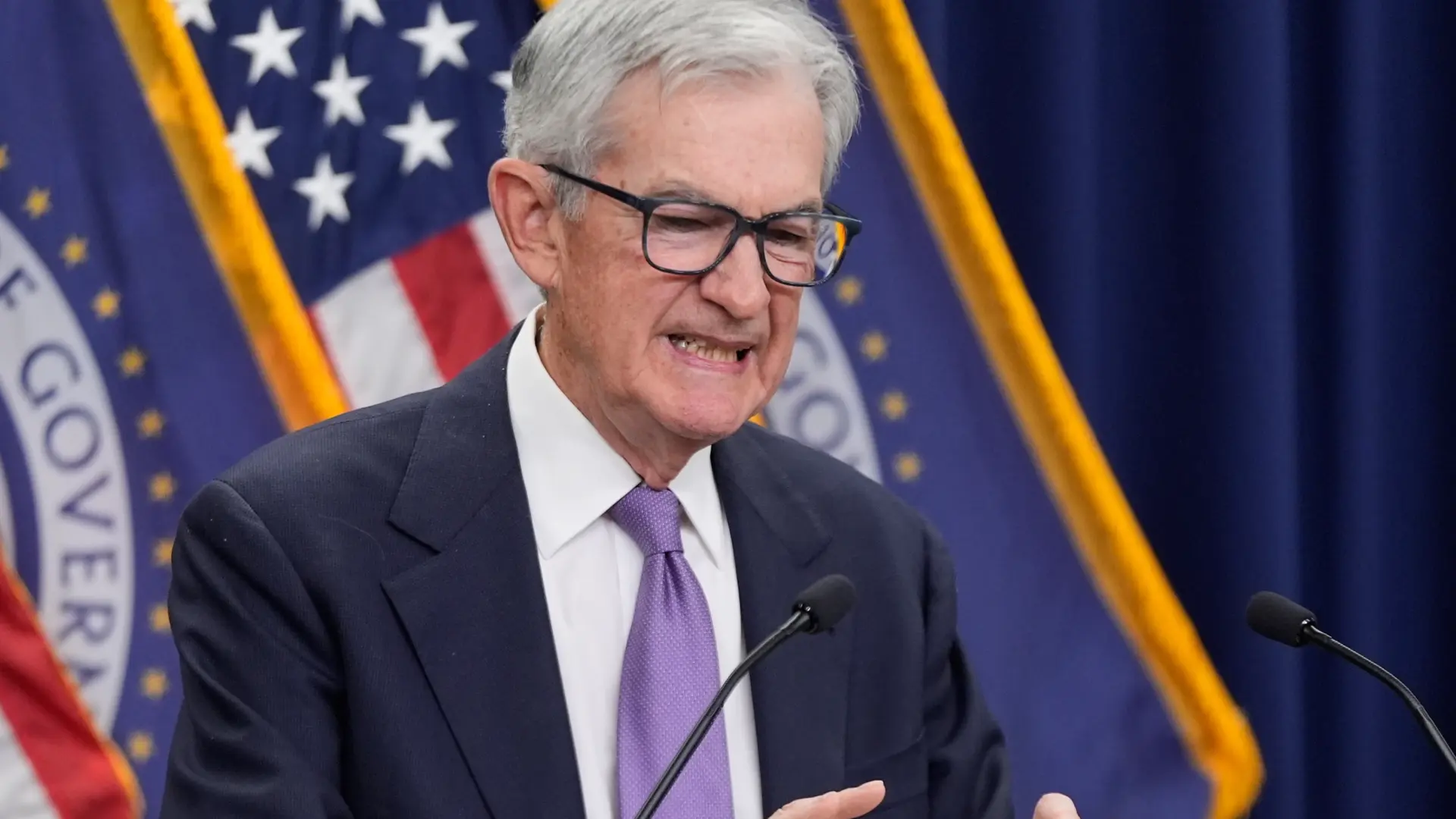
The Federal Reserve (Fed) meets market expectations and lowers interest rates by 25 basis points, placing the reference rate in a range between 3.5% and 3.75%, the lowest since September 2022. The agency applies the third consecutive reduction in the price of money in a decision that tips the balance towards boosting the labor market. Since 1977 the central bank has had the dual mandate of promoting price stability and maximum employment.
“Uncertainty about the economic outlook remains high,” the organization explains in its statement. The Open Market Committee (FOMC) emphasizes that it is attentive to the risks that affect its dual mandate – guaranteeing price stability and full employment – and considers that “downside risks for the labor market have increased in recent months.” The Fed’s top body emphasizes that it is firmly committed to supporting maximum employment and returning inflation to its 2% target.
Unlike the previous occasion, when the body headed by Jerome Powell executed the cut practically blindlynot having updated data as a result of the longest administration shutdown in history, which lasted almost 41 days, now has a little more visibility. While unemployment benefit applications weekly prices hit three-year lows in late Novemberthe personal consumption expenditure (PCE) price index ended September at 2.8%, with an increase of one tenth.
Over the past year, the U.S. labor market has weakened while inflation has remained high, in part as consequence of price increases during Covid-19. The tariff policy promoted from the White House threatens to boost prices even further, leaving the Federal Reserve in a complicated position. While cutting rates too quickly could push prices up further, keeping rates stable could increase unemployment. The Fed estimates that the sustainable unemployment rate is 4.2%, two tenths above the level recorded in September, when it closed at 4.4%.
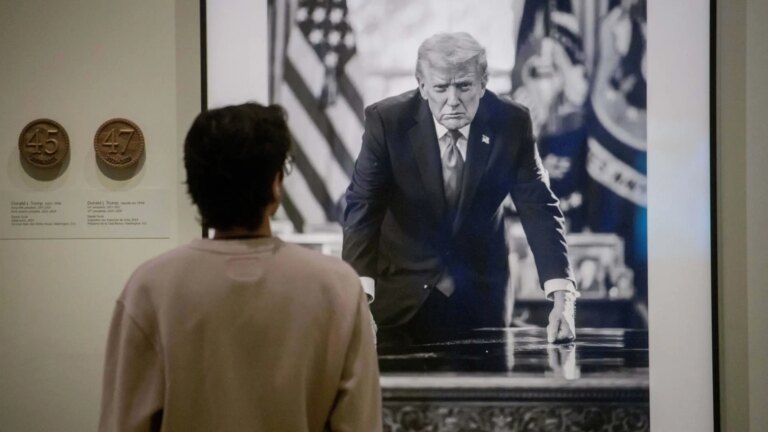
This Wednesday’s decision, the last of the year, shows the existing division in the Federal Open Market Committee (FOCM), while the pressure with the White House increases. Donald Trump has been pushing for the Fed to lower interest rates further for months as the agency’s independence begins to be questioned. A few months ago, the United States Senate approved the appointment of Stephen Miran, Trump’s top economic advisorto be part of the board of governors. Precisely, Miran was the only one who in September advocated executing a half-point drop.
However, attention is monopolized by the question of who Trump will appoint to replace Jerome Powellwhose term expires in May 2026. According to the ‘Financial Times’, Trump plans to start the round of interviews with the candidates this week, which marks the final phase of the search for the next president of the Fed. The director of the White House National Economic Council, Kevin Hassettis running as a favorite in this race, although his election is not completely guaranteed.
Also included in the pools are the current Fed governors, Christopher Waller and Michelle Bowman, as well as BlackRock’s Rick Rieder. If this appointment becomes official, the future replacement could land in the central bank in the coming months, leaving Powell in a compromised position with hardly any room for maneuver.