The Portuguese Centeno is emerging as a candidate to succeed De Guindos at the European Central Bank

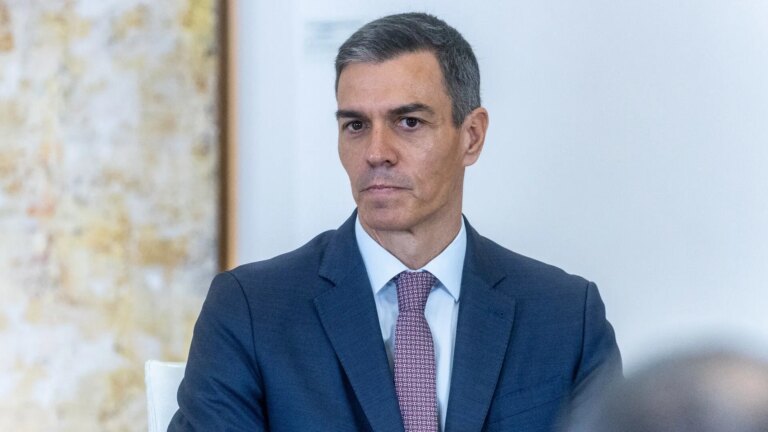
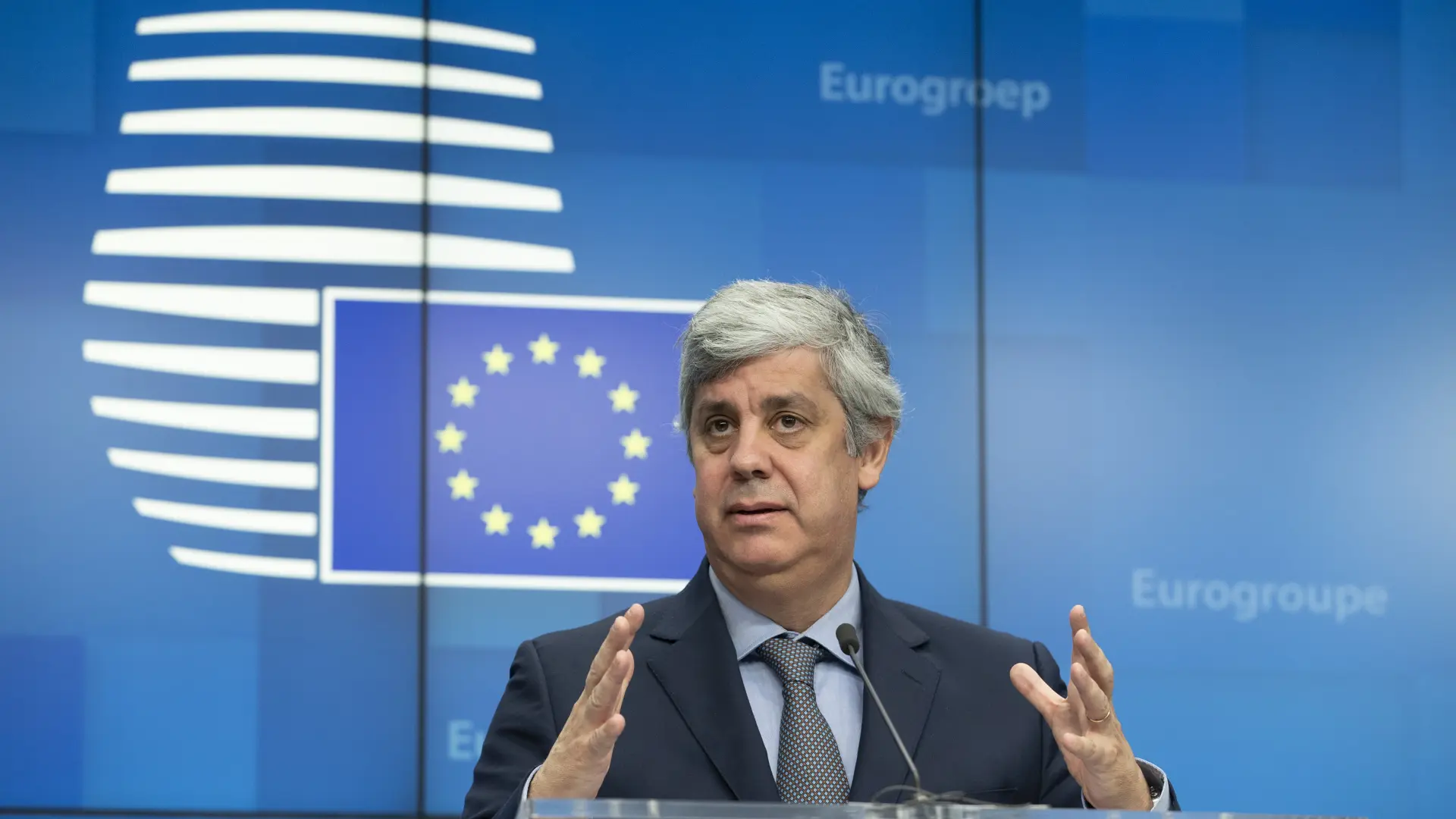
The ‘number two’ chair of the European Central Bank (ECB) that Luis de Guindos will leave on April 30 is looking for an owner and there are more and more names of candidates who aspire to occupy it… or who are dreaming of doing so. The last one is that of the former governor of the Central Bank of Portugal, Mario Centeno. His name was put on the table by the Portuguese Minister of Finance, Joaquín Miranda Sarmento, in an interview offered this Thursday to Bloomberg Television.
Centeno, whose term at the Bank of Portugal ended this year, “is a possible candidate, but there is no official confirmation,” said Miranda Sarmento. If he does so, his candidacy would join that of the Governor of the Finnish central bank, Olli Rehn, and that of his Latvian counterpart Martins Kazaks. That list could be completed with the head of the Latvian central bank, Boris Vujcic. Rehn’s is a strong candidacy. Not only was he European Commissioner between 2004 and 2014, but he also played an essential role in the response to the last financial crisis.
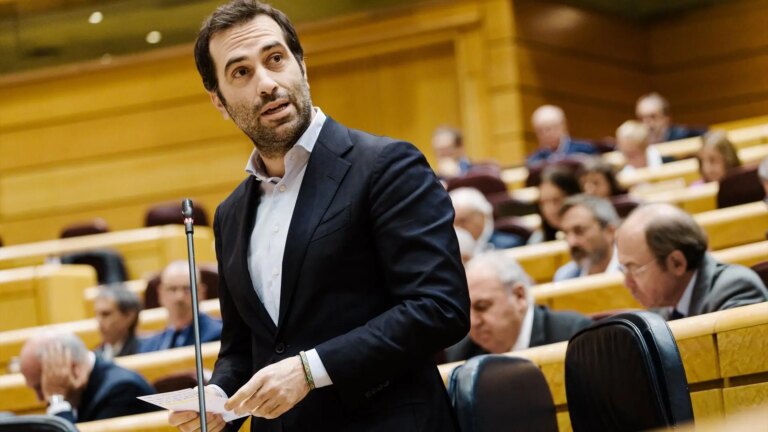
The departure of Luis de Guindos will not be the only one within the euro issuer, which is preparing to replace four of the six positions on its Executive Council within two years. It is for this reason that Spain is also making moves to try not to lose influence in the organization. The Minister of Economy, Commerce and Business, Carlos Body, assured just a few days ago that the Executive is working to maintain a position within the executive committee of the ECB.
In an interview with EFE agency He stressed that the objective is for the body to reflect a balance in its composition in accordance with the role that the country is playing in European growth, given that Spain continues to be the most dynamic economy among the major euro economies. This, regardless of the fact that Spain is the fourth shareholder of the entity.
The term of office of the vice-president of the ECB extends for six years and can be renewed once. He formal procedure to appoint him It begins with the presentation of candidacies by the Eurozone States, whose Finance Ministers then decide between the candidates. This election is then formalized by the Council of the EU (the ministers of the Twenty-Seven) and the heads of State and Government of the bloc, after having consulted with the European Central Bank and the European Parliament, which issue a non-binding opinion on the nominee.
In October 2027 the mandate of the head of the entity, Christine Lagarde, will expirewho made it clear this summer that he planned to exhaust his eight-year term. “I can assure you with complete certainty that I have always been and am totally determined to fulfill my mission and complete my mandate,” she said on June 5, after the founder of the World Economic Forum (WEF), Klaus Schwab, assured the Financial Times that Lagarde had considered an early departure from the institution to become president of the Davos Forum.