The president of the ECB, Christine Lagarde, earns 726,000 euros a year, 55.8% more than her official salary
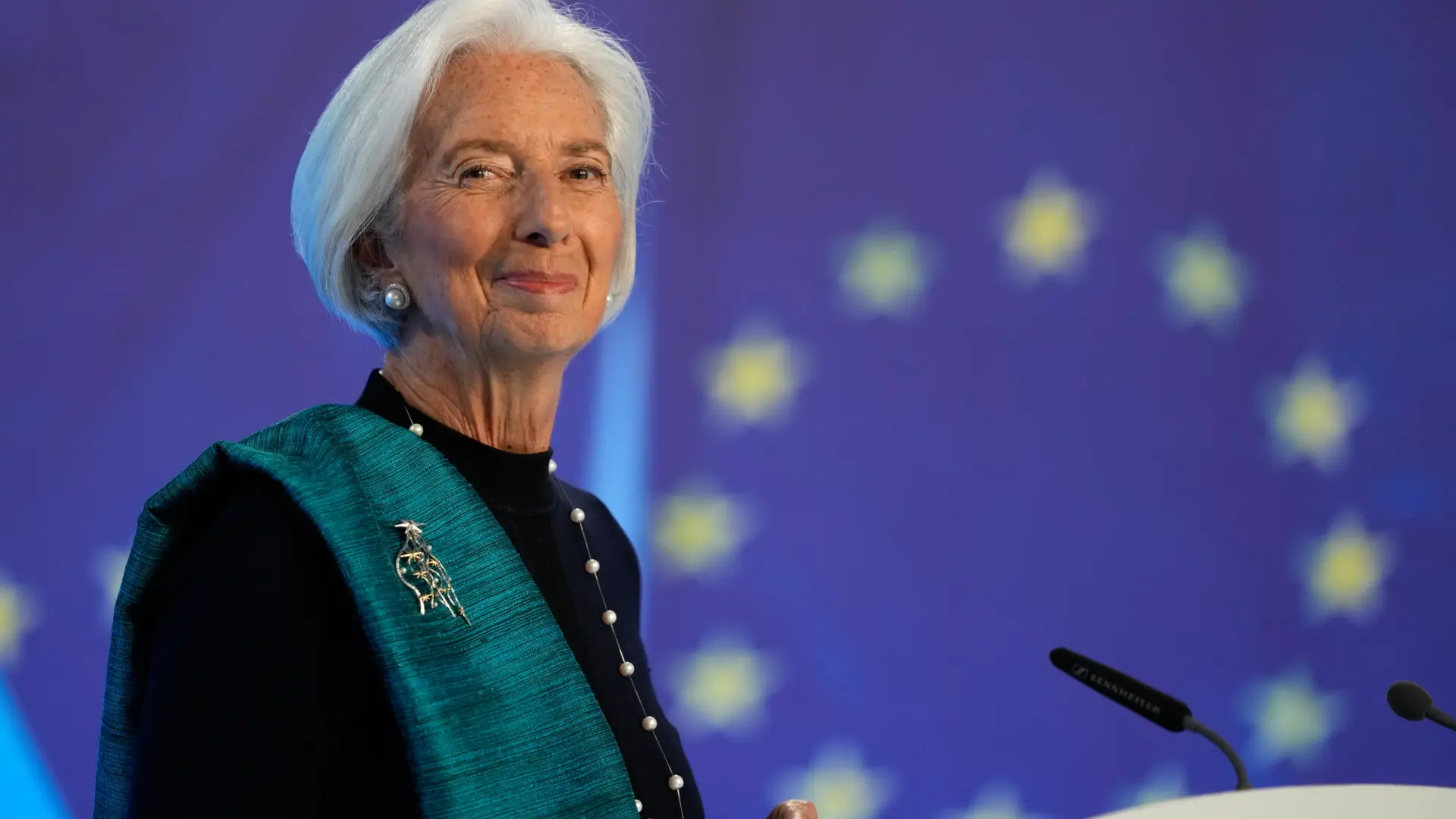
The president of the European Central Bank (ECB), Christine Lagardeearns about 726,000 euros annually, according to an analysis carried out by the ‘Financial Times‘, which means a 55.8% more than the official basic salary communicated by the issuing institute (466,000 euros).
In this way, the former French Minister of Economy has a salary that more than triples the 203,000 euros of the president of the Federal Reserve (Fed), Jerome Powell, and which exceeds the payroll of the leader of the European Commission, Ursula von der Leyen, by 21%.
In addition to the base salary (466,000 euros), Lagarde receives some 135,000 euros in complementary benefits for housing and other concepts. The ECB’s annual report does not provide a detailed breakdown of the additional benefits of members of the Governing Council.
Lagarde also earns, approximately, 125,000 euros for his position as one of the 18 members of the board of directors of the Bank for International Settlements (BIS). The ECB payroll does not refer to such a concept. The BIS itself only discloses the total remuneration of all the members of its governing body.
The bank has responded to the information from the Financial
The Fed has confirmed to the ‘Financial Times‘ that Powell did not receive any compensation for his presence on the BIS board. because US laws prohibit public officials from receiving salaries from foreign entities.
The calculations of the ‘Financial Times‘ They are based on the annual reports of the ECB and the BIS, as well as a technical document detailing the salary “terms and conditions” of senior officials of the first institution. The estimates do not include ECB contributions to Lagarde’s pension or the cost of her health or insurance plans due to a lack of available data.
The bank has responded in a statement that the salary of its president was set by a remuneration committee and the Governing Council itself during the creation of the ECB in 1998, having only increased in accordance with the revaluations that affect all its employees.
The ECB, unlike listed private companies, is not subject to such strict rules that require it to provide a “complete and reliable idea of its remuneration.”