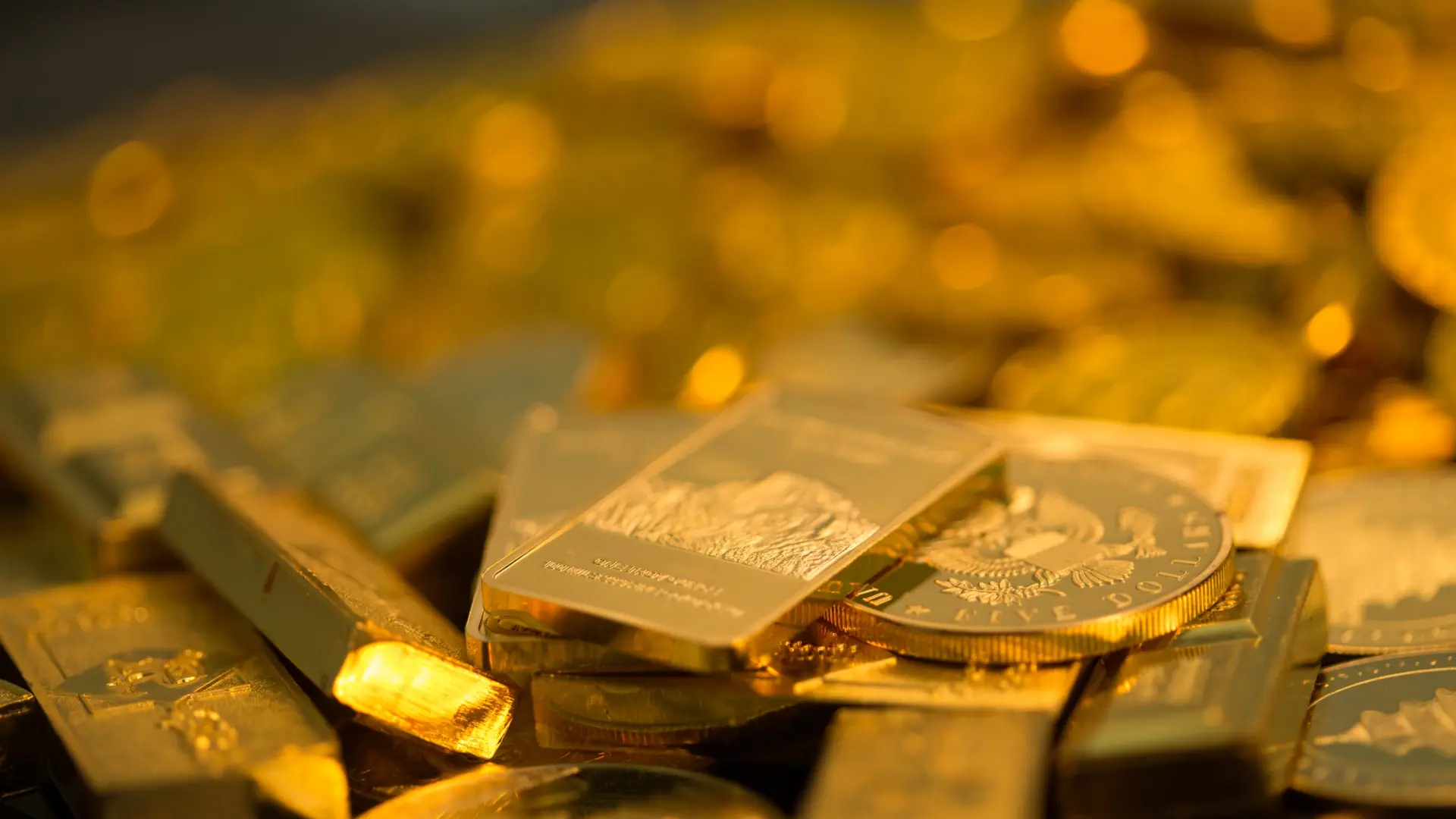
The price of gold exceeds $4,400 for the first time in history
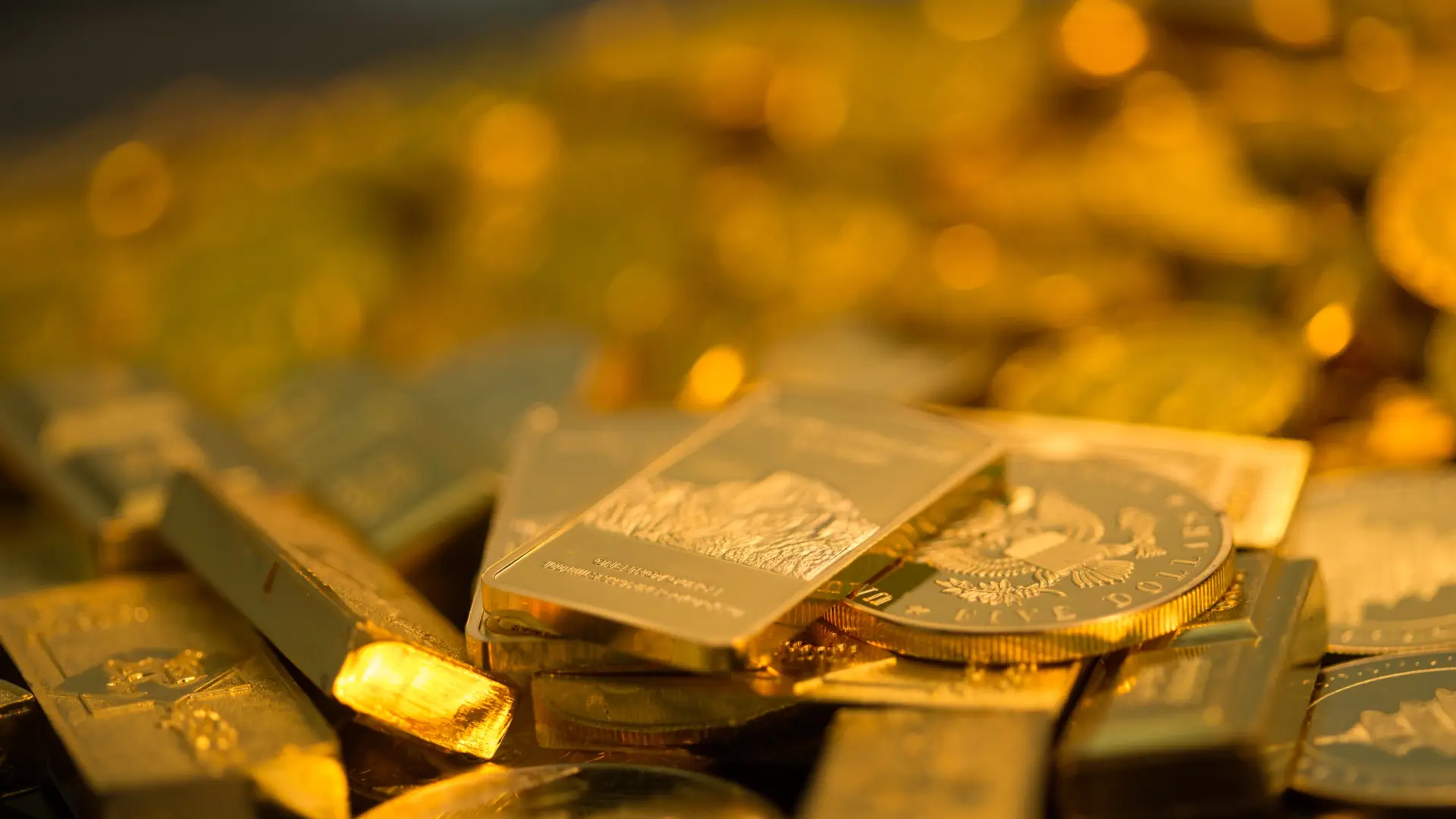
The price of an ounce of gold, active refuge In times of uncertainty, the day has started with a rise close to 2% with which it sprays new all-time highs and exceeds $4,400 per ounce. According to ‘Bloomberg’ data consulted by EFE, this raw material has climbed above $4,414.32 after closing last Friday at $4,348.
If this trend is maintained, it is on its way to closing its best year since 1979, when the advance reached 126%, sponsored by tensions. geopolitics and trade, the weakness of the dollar and the expectation that the Federal Reserve (Fed) will undertake new interest rate cuts. A few months ago, they pointed out that this precious metal could cross the $4,000 barrier, a threshold that it crossed for the first time last October and that blew up its record, reaching above $4,300 intraday.
The market sees in this metal a way to avoid sovereign debt and currencies and thus protect themselves from growing budget deficitswhile the massive purchases carried out by central banks also drive its price up. From Goldman Sachs they venture that they will maintain the buying fever, driven by central banks. “We consider the high accumulation of gold by central banks as a multi-year trendsince they diversify their reserves to cover geopolitical and financial risks,” they highlight.
Likewise, driven by gold, silver has also registered a new historical record, and is close to $69 per ounce, with an increase of 2.68%.In this way, the silver surpasses its last historical record reached during last Friday’s session when it reached $67.23. During the year, gold revalued 68.12%; and silver, 139.34%.
The different uses given to both metals also affect their price. Half of the demand for gold It comes from investments (bullion, coins and exchange-traded funds) and from central bank demand, while only a sixth of silver is for investment purposes. Gold also plays a more relevant role for jewelry (more than 40%) than silver (more than 20% if combined with silverware).
On the other hand, the industrial use of gold is scarce (less than 10%), while most of the silver is used in this sector (around 60%), with electrical and electronic applications, as well as photovoltaic energy, being the most important areas. Thus, the price of silver is more linked to the global economic cycle, making it more prone to corrections in the event of a slowdown in the global economy.