The Bank of Spain sees no signs of a bubble in housing and remembers that prices are still 18% below their maximums

The Bank of Spain (BdE) does not see signs of a bubble in the housing market. First, because prices do not increase in a generalized or homogeneous way throughout the territory and They still remain 18% below their maximum levelswhich were reached in the third quarter of 2007. Secondly, because the situation of families is much more solid and the standards for granting credit by entities are at “significantly more prudent” levels than those prior to the outbreak of the financial crisis. And thirdly, because the situation of the real estate sector itself is also far from what existed before those imbalances.
These factors together lead the entity, which this Thursday presented its latest ‘Autumn Financial Stability Report’, to rule out that Spain is in a situation similar to that of the years prior to the Great Crisis. “Today there are no signs of a bubble,” said Daniel Pérez Cid, general director of Financial Stability of the Bank of Spain, who also explained that bank balance sheets do not present an excess of concentration in the ‘brick’, as was the case in the past.
At a more general level, loans for real estate development and housing construction represented half of the business credit portfolio in 2008, while this weight is slightly below 15%. At the same time, real estate credit represents a contained fraction of GDP and of all bank credit, and “excessively strong” dynamics are not appreciated in it like those that preceded the crisis. In the organization, they emphasize that the strength of demand for housing in relation to its supply is the main element that has driven its real price. This has been increasing at an increasingly faster rate.
Prices lower than the peak of the boom
In the first semester, The average annual advance in nominal terms was 12.5%compared to the 4 and 8.4% recorded on the average for the years 2023 and 2024, respectively. By segment, the increase in the price of used housing (12.6%) exceeded that of new housing (12.2%), in contrast to the dynamics observed between 2019, just before the outbreak of the coronavirus pandemic, and 2024. In real terms, housing prices grew at an interannual rate of 10.3% in the second quarter of this year, reaching 17.7% below the maximum level reached at the beginning of the global financial crisis, this es, in the third quarter of 2007.
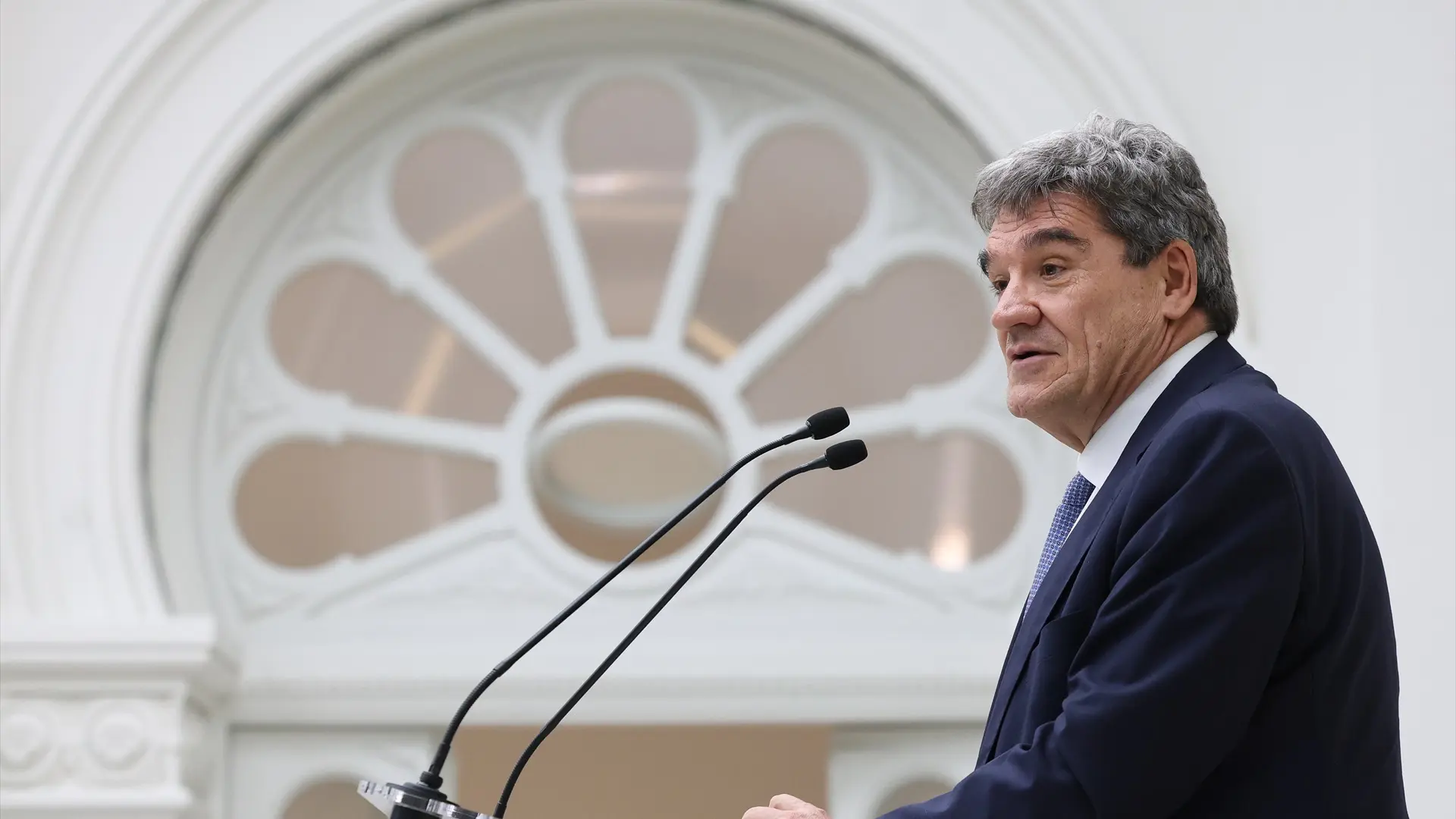
However, the organization led by José Luis Escrivá points out that prices are increasing more in the most stressed areas. Thus, the growth in the provinces with higher price levels contrasts with modest or no increases in those where prices are moderate or low. Furthermore, unlike what was observed during the real estate boom of the 2000s, there is no generalized expansion of prices by province. Pérez Cid himself has assured that to solve the accessibility problem that exists, “structural measures from the point of view of supply” would be necessary.