The questionable benefit of investing in Venezuela for US oil companies
We have heard a lot about the vast oil reserves that Venezuela sits on. Given the deteriorating state of oil infrastructure within the country, tapping such reserves would likely take years and require significant investment. While President Trump has hinted that American oil companies could benefit from the rebuilding effort, we remain somewhat skeptical. American oil companies are accountable to shareholders and these shareholders require a return on investment. With oil prices hovering in the mid-$50 per barrel range for spot WTI, the cost-effectiveness of such capital expenditure remains questionable.
Greater oil production would only push prices down further, making profitability even more precarious.. American oil companies have so far been reluctant to expand drilling in much more politically stable regions, such as the Permian or the Canadian tar sands. Why should we expect this to change when considering the spending necessary to tap Venezuela’s reserves? Furthermore, governance concerns are likely to persist, given that Big Oil has certainly not forgotten asset seizures following the nationalization of the oil industry in 2007.
From a broader geopolitical perspective, Maduro’s departure likely represents a positive development for the region as a whole.. Chávez and Maduro have spent years supporting far-left paramilitary groups, creating a context of greater risk associated with doing business in the region. With the funding pipeline likely choked, the decline in support should prove positive in the longer term. Additionally, with Colombia, Peru and Brazil going to the polls this year, it will be interesting to see how voters react to the US intervention in Venezuela. Will the recent string of right-wing victories in Chile and Argentina continue in the rest of the region or will we see an abrupt interruption of this political turn in the rest of South America?
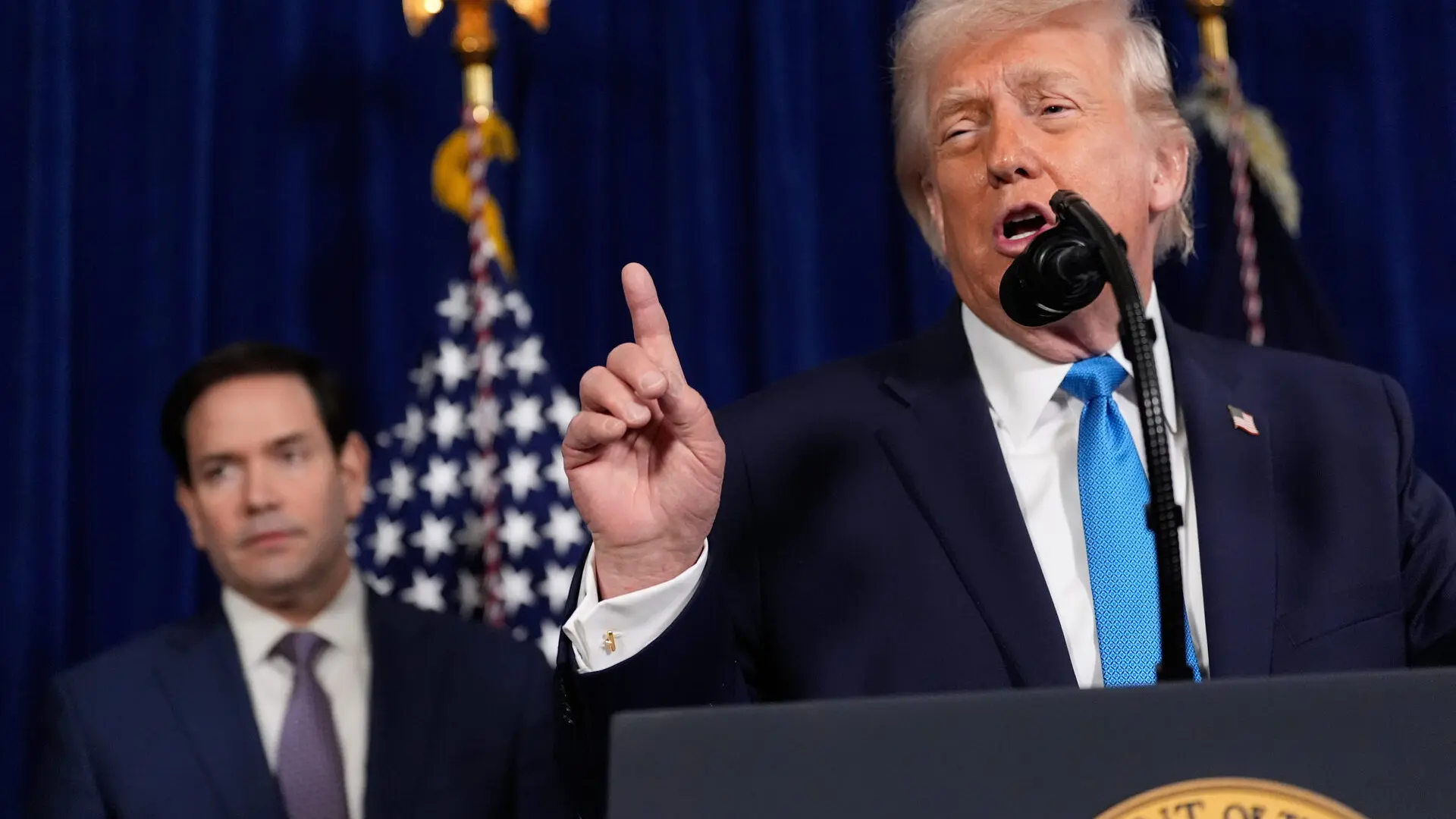
Which brings us back to the Monroe Doctrine: foreign adversaries are not welcome in the Western Hemisphere. We are seeing a reconfiguration of the global order. “The future will be determined by the ability to protect trade, territory and resources that are critical to national security,” Trump said in his press conference announcing Maduro’s capture. Venezuela had become host to several US adversaries: China controlling several of Venezuela’s mining operations; Iranian drone manufacturing facilities within striking distance of the United States and Russian military advisors assisting with integrated air defense systems. Too close for comfort in this new bipolar world.
As far as China is concerned, President Trump’s recent move sends a reminder that China remains heavily dependent on imported oil. With nearly a third of its energy needs imported and subject to disruption from the United States, if China were to move on Taiwan, those screws would be expected to tighten. China has made progress in securing its energy vulnerabilities in recent years, but remains quite dependent on imports from other countries.
Regarding the outlook for the markets, it is difficult to see actions in Venezuela having any significant long-term impact. What do these recent actions have to do with the earnings of the S&P 500®? Nothing really. It’s background noise. Which is what geopolitical headlines usually are. Just another in a long line of incidents that have trained investors to look beyond the geopolitical noise.