The self-employed report that their expenses are skyrocketing and demand not paying fees during sick leave, VAT exemptions and only two tax returns
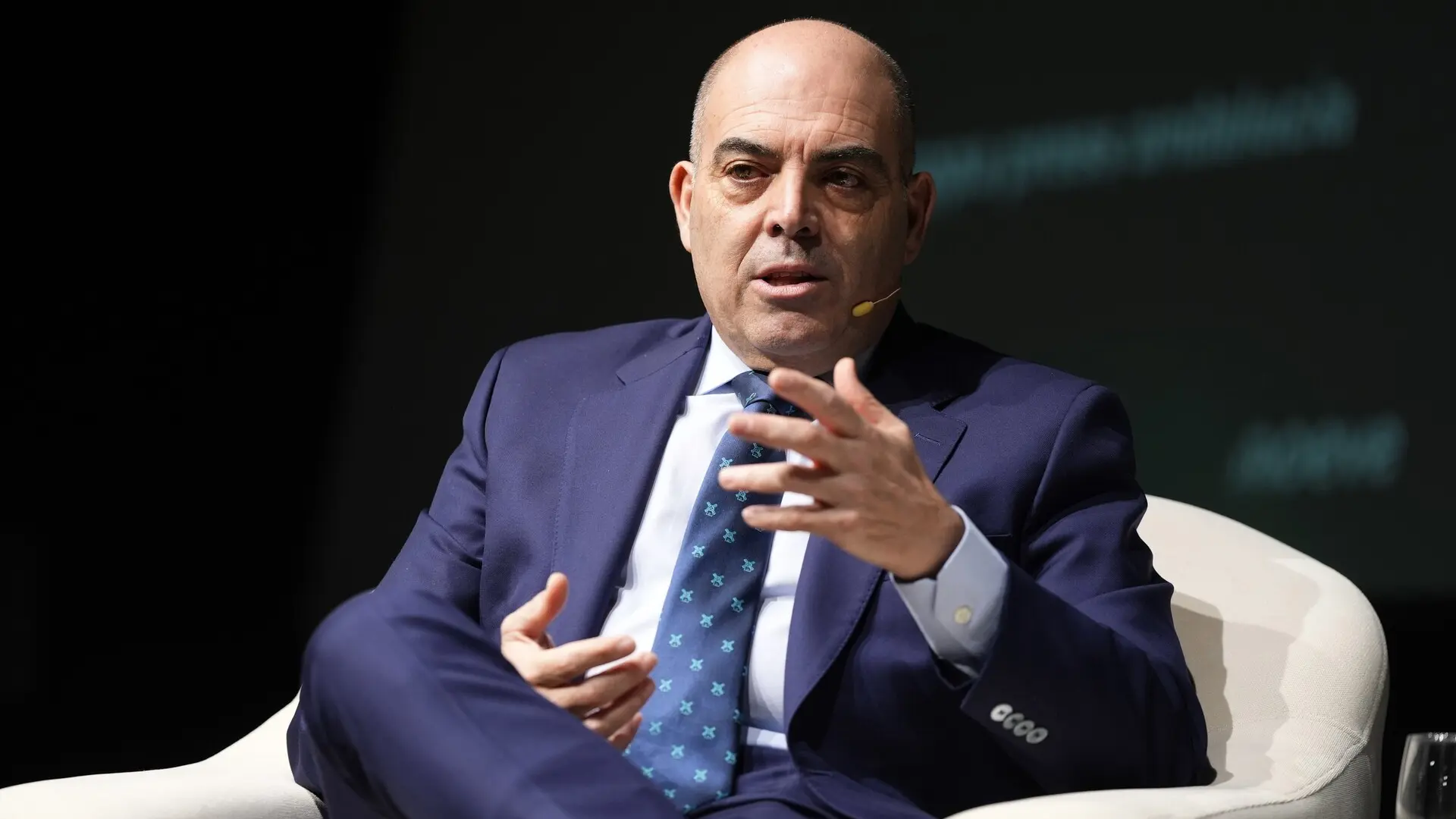
The sectoral association of the self-employed ATA (attached to CEOE) presented this Monday its quarterly barometer, a survey that serves as a thermometer on the state of opinion in the group. In this edition, the organization has asked workers for their assessment of a series of measures that ATA proposed to the Government to improve the situation of the self-employed.
Of the 60 proposals that were included in the strategic plan, the one that the group considers most important is exemption from Social Security contributions during periods of medical leave. 47% of those surveyed placed this issue among the three most necessary measures of all those raised.
After her, the second one that received the most support was exempt self-employed workers who invoice less than 85,000 euros per year from VAT declarationa measure that garnered the support of 47% of the group. In fact, ATA has reported the Government to the European authorities for not transposing a European directive that would allow this possibility, which is already available in other European countries.
The third measure of this particular ‘letter to the Kings’ of the group is to reduce bureaucracy and in particular, go from four tax returns to two or even just one. 37.1% of those surveyed place it among the three most important.
The rest of the measures that gather the most support are make work compatible with collecting 100% of the pension (33.8%); fully subsidize contributions for one year for hiring the first employee and 50% for the second (25.9%); introduce better classification and increase expense deductions, to offer more legal certainty (24%); improve the benefit for cessation of activity (20.5%) and apply the subsidy for those over 52 years of age also to the self-employed who exhaust their benefits (17%).
The ATA survey also reflects thethe opinion of the group on the extension of Verifactuthe electronic invoicing system that the Treasury had planned to introduce in 2026, but which has been forced to postpone until next year due to pressure exerted by the self-employed associations and Junts.
58.7% of those surveyed celebrate the moratoriumbut 17.9% have seen this decision as an affront to those who had already invested in adapting. 16.5% indicate that they are indifferent to the extension because they assume that they will have to adapt at some point.
82% have had to increase expenses and 71% will raise prices
The ATA barometer also serves to take stock of what 2026 has been like for the group. So, 82% of the self-employed indicate that their expenses increased last year Compared to 2024, 14.2% say they remain the same and only 2.6% have seen their disbursements reduced.
Consequently, there is also a majority of self-employed workers who plan to raise the prices of the goods and services they sell to accommodate these increases in spending. 71% maintain that they will raise prices in the coming monthsalmost four percentage points more than those who planned to do so in 2024.
The billing of the self-employed was again unequal in 2025. In such a way that31.3% affirm that their turnover grew compared to 202435% sold less and 30.4% remained the same. Among those who now sell more, half (47.5%) have seen their turnover grow by less than 10%. And among those who have lost billing, 41.2% have registered drops of more than 11%.
Regarding the prospects for this new year, the majority of self-employed workers are pessimistic. Only 16% believe their business will increase in 2026 (three points less than last year) and 39.1% expect activity to remain stable. One in four (25.6%) are convinced that their business will do worse this year.
Favorable to raising the SMI by 2%
During the press conference in which the barometer was presented, the president of ATA, Lorenzo Amor, has been in favor of an increase in the minimum wage between 1.5 and 2%. However, Amor has stated that the position of the Ministry of Labor is quite “distant”, according to Europa Press.
Amor has reproached the Government for being “unclear” with what it puts on the table. The ATA leader refers to the proposal of Yolanda Díaz’s department to modify the deindexation law so that companies that contract with the public administration can pass on the cost of raising the SMI in the middle of the contract. “It is said, it is carried and it is counted” a reform in the Deindexation Law is on the table, but “Then the vice president and Minister of Finance (María Jesús Montero) arrives and says that there is nothing to it”he has expressed.