thematic funds give a return of more than 70% in Europe

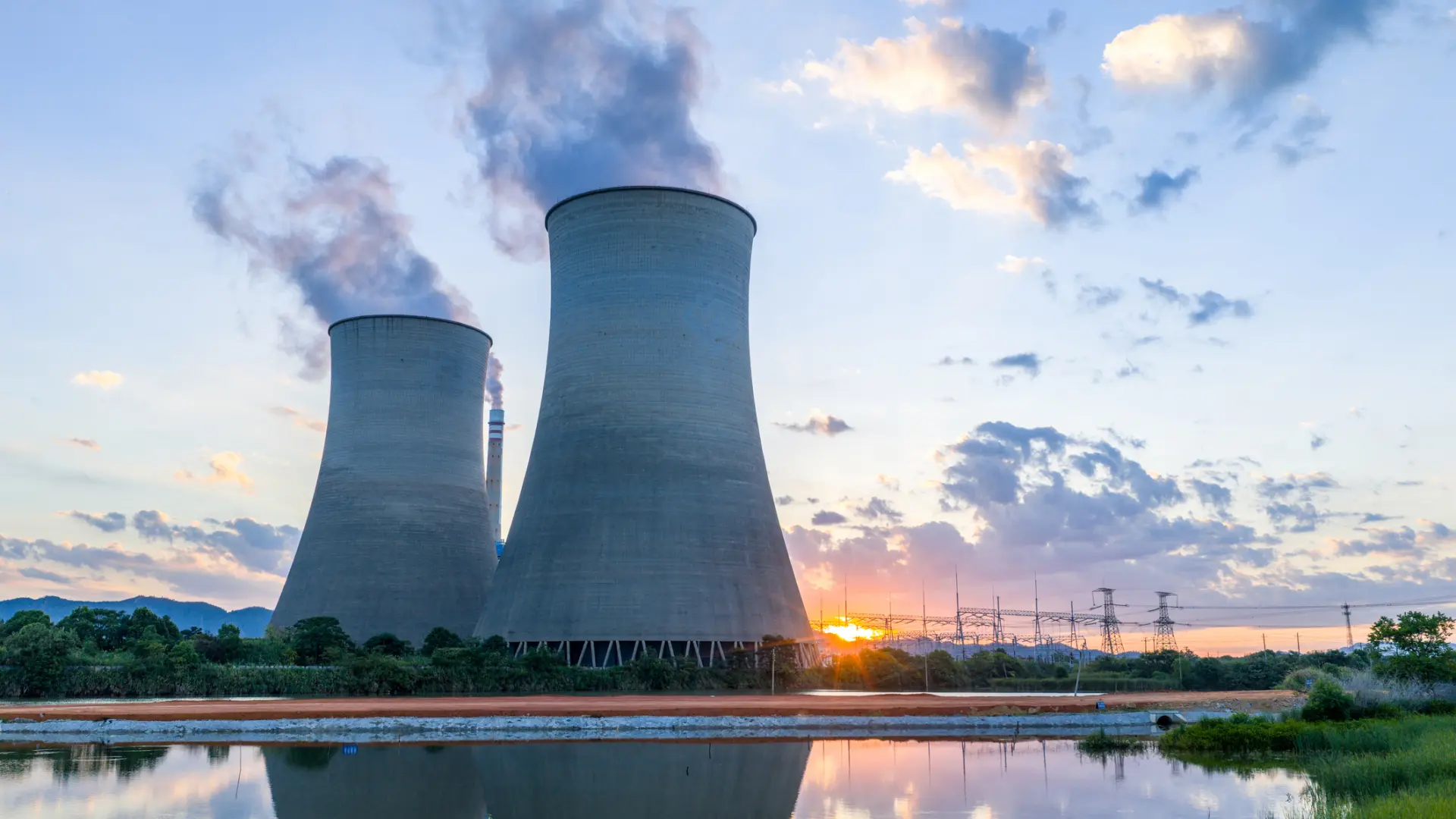
Nuclear energy is resurgent. Rethinking energy dependence derived from the war in Ukraine and the furor due to the development of artificial intelligence, which requires a high consumption of resources, they put nuclear energy in the spotlight, whose generation of electricity through this route already broke historical records last year. The ‘Global Energy Outlook’ 2025 report highlights increased investment after more than 40 countries are developing new projects and reactors resume operation, especially in Japan, where have reached their highest level in 30 years.
In this context, cost control and greater visibility of future cash flows are crucial factors to diversify a sector that has been characterized by high market concentration, while technology companies support their emergence in the face of the need to power data centers. These installations are large consumers of energy, but they are necessary to develop artificial intelligence. Expectations become promising after more than two decades of stagnation with the forecast that nuclear capacity will increase by at least a third until 2035, given the forecast that production capacity will exceed little more than 400 GW current to more than 700 GW on a global scale to the heat of new reactors in the United States, Japan and France, among others.
Some calculations have fueled investor interest in nuclear power, whose funds thematic ones revalue more than 70% in Europe so far this year. According to WisdomTree, this is the category that accumulates the highest profitability, even ahead of specific defense funds (+60.3%) and energy transition funds (+60.2%). This fever has as its protagonist the United States, which a few weeks ago signed an agreement $80 billion with Westinghouse Electric to build nuclear reactors that feed the needs of Artificial Intelligence. This investment is part of a trade agreement with Japan, a country that committed to investing more than $550 billion in the United States in strategic sectors, including nuclear energy. However, It is not the only company to benefit from the nuclear boom.
Constellation Energy, which manages around a fifth of the North American country’s nuclear capacity, has just obtained a $1 billion loan from the Department of Energy to boost its Crane Clean Energy Center and restart the Pennsylvania nuclear reactor. This latest project aims to indirectly supply electricity to Microsoft data centers starting in 2027. The other side of the coin is represented by China. The Asian giant has multiplied its operational nuclear capacity by five over the last five years.
Meanwhile, in Europe, which in 2022 began a process to include nuclear energy in the classification of sustainable investments, the “renewed political support” which you have at the moment. The International Energy Agency (IEA) notes that nuclear is increasingly seen as “essential” to achieving both energy security and climate goals in several European countries, citing, among other examples, France, Poland, the Czech Republic, Hungary and Sweden. Despite this, BlackRock considers that “it will be a few years before the nuclear becomes a viable alternative on a large scale and before industrial relocation fully materializes.” To put it in context, a uranium plant takes two decades to be able to extract the material from the time it is located.
The world’s largest asset manager sees nuclear as a long-term investment with opportunities in the producers of “picks and shovels”that is, those that have the necessary tools to develop the industry such as, for example, uranium mining, component manufacturers or service providers. The Global Uranium ETF and the VanEck Uranium – two sector references – have returned more than 60% so far this year.
At the listed level, in Spain, within the Ibex 35, values stand out, such as Endesa either Iberdrola with annual increases of around 50 and 35%, respectively. Another of them is the British Céntrica, which advances more than 20%, as well as the aforementioned Constellation Energy (+52%). All investments carry risks, which in this case, comes from the volatility suffered by these types of companies on the stock market. The slowness with which projects are launched or the fact that their development depends on political decisions are factors that work against them.