“They would be forgotten in a drawer”
The Christmas holidays are over and, as is tradition, Spanish homes have been filled with gifts after the long-awaited Three Kings Day. Who more, who less, has received gifts from their loved ones. The drawback is that sometimes our preferences or desires are far from what we have received finally.
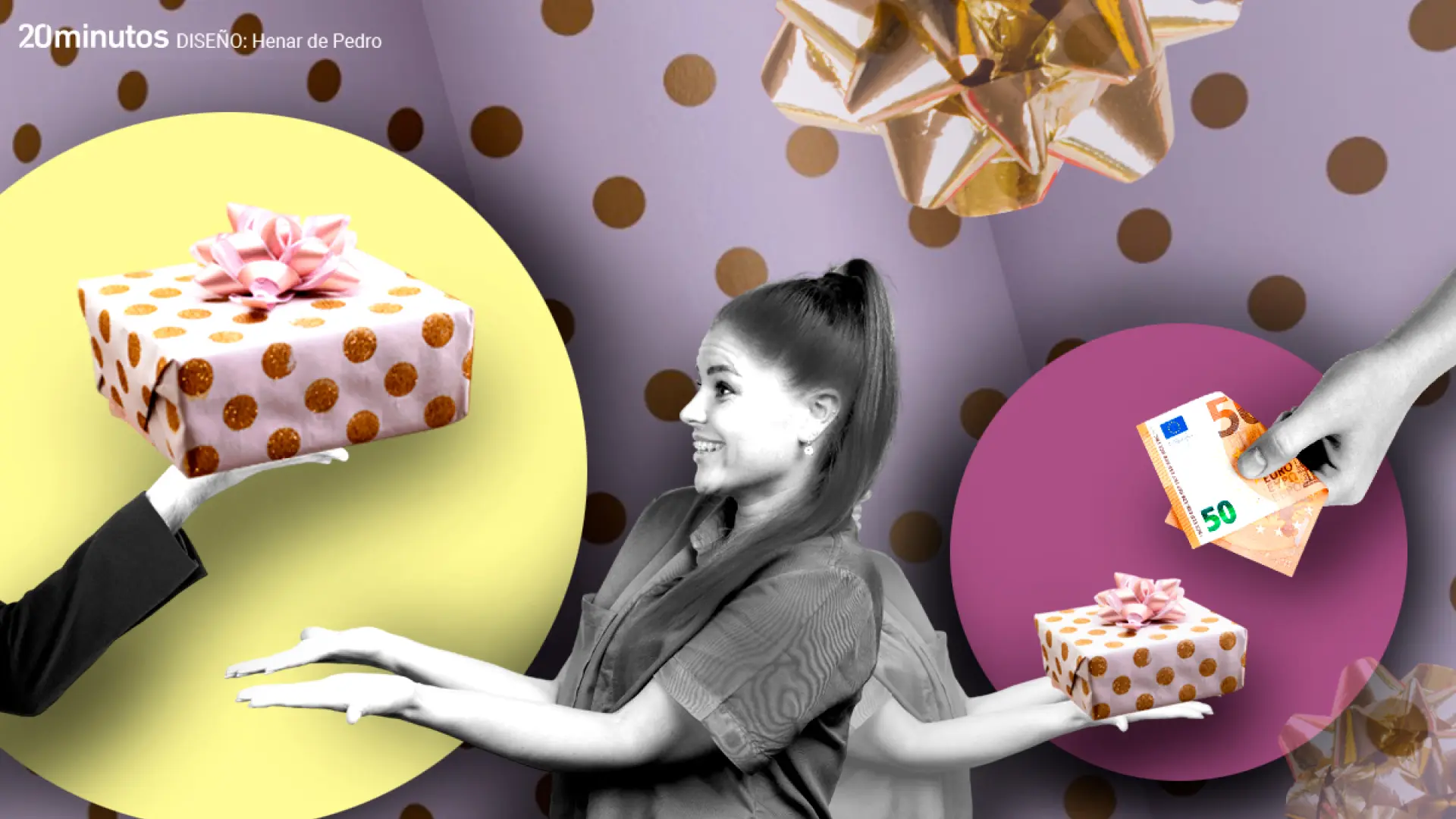
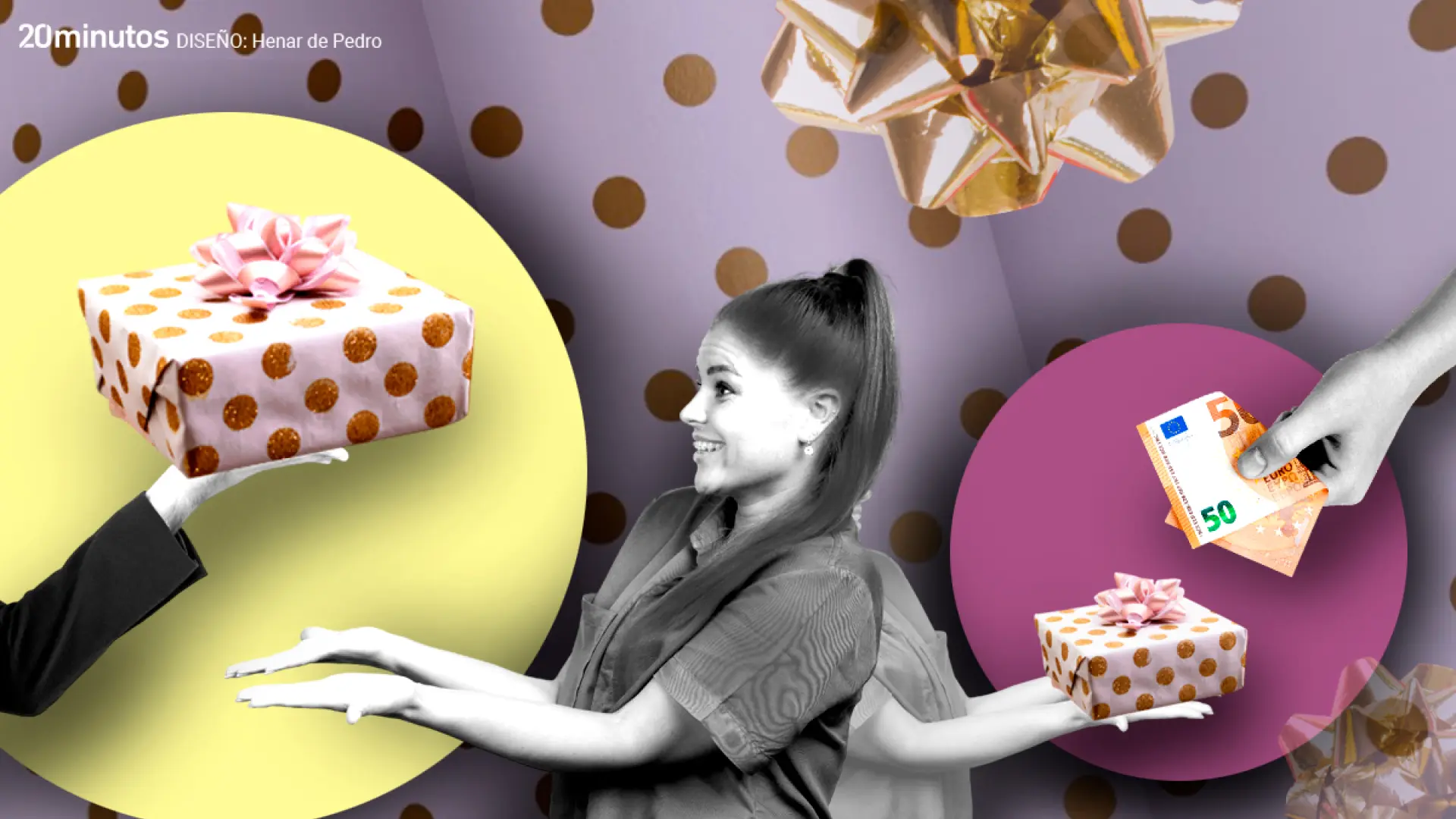
To take advantage of this unwanted present, for some time now a phenomenon from the United States has been established in Spain that has more and more followers: regifting. Although originally this practice did not involve obtaining money, the truth is that it has evolved coinciding with the rise of online platforms for buying and selling second-hand products. But, what does the regifting that is increasingly practiced in Spain?
“He regifting It is an increasingly common practice that also allows us to contribute to promoting circular economy since there is always someone wanting to receive what we do not want,” they have indicated from the eBay platform. Specifically, it consists of sell Christmas gifts that we didn’t like to exchange them for something we really want or to get extra money to help us overcome the January slope.
In fact, more than half of Spaniards consider selling gifts that they don’t like this Christmas, according to a survey carried out by the company Wallapopwhich points out that more and more Spaniards are looking for alternatives to “avoid waste and allow another person to find usefulness and value in an item that would otherwise be forgotten in a drawer.
Thus, specifically, the data reflect that 52% of Spaniards acknowledge that they have considered selling or giving away those present who have not been to their liking. The trend is even more marked among Generation Z -those born between 1997 and 2012-, since 72% would be willing to resort to selling giftsknown as regiftingif the gift doesn’t fit.
“Regifting has become a natural option for many, as it allows new products to find someone who really values them”
In this sense, the director of external communication at Wallapop, Cristina Gómez, has pointed out that “every Christmas they see how the number of people who bet on give a second life to those gifts that don’t quite fit“.
“He regifting has become a natural option for many, as it allows completely new products to find someone who really values them, prevents them from being forgotten in a drawer and, in addition, is a small economic respite in a time of great spending“he concludes.
Regarding the categories that year after year are repeated as the least popular among Spaniards, the Spanish company details that this 2025, decoration items will top the list of the least desired gifts, since 38% of those surveyed affirm that they are not excited about receiving this type of products. They are followed by toys (33%), kitchen robots (31%), accessories such as bags or accessories (27%) and fashion (21%), which continues to be one of the most difficult categories to get right.
“It’s not that easy to return a gift to the store”
From the company specialized in the purchase and sale of second-hand products Cash Converters They have assured that this option has more and more followers because “It’s not that easy to return a gift to the store”. “In many establishments a voucher is given to redeem, we can lose the ticket, we miss the return deadline, the store is far away…”, they say.
In fact, a study carried out during Christmas 2022 by this company revealed that the number of consumers who went to Cash Converters to sell your gifts starting January 6 increased by around 5%, comparing the figures with previous months.
This trend is growing among Spanish consumers, especially with presents that are delivered with the traditional ‘invisible friend’. According to the study of Cash Converters, almost 39% of the gifts that are resold come from this popular game which is generally done with co-workers or groups of friends.