“It’s time to act”
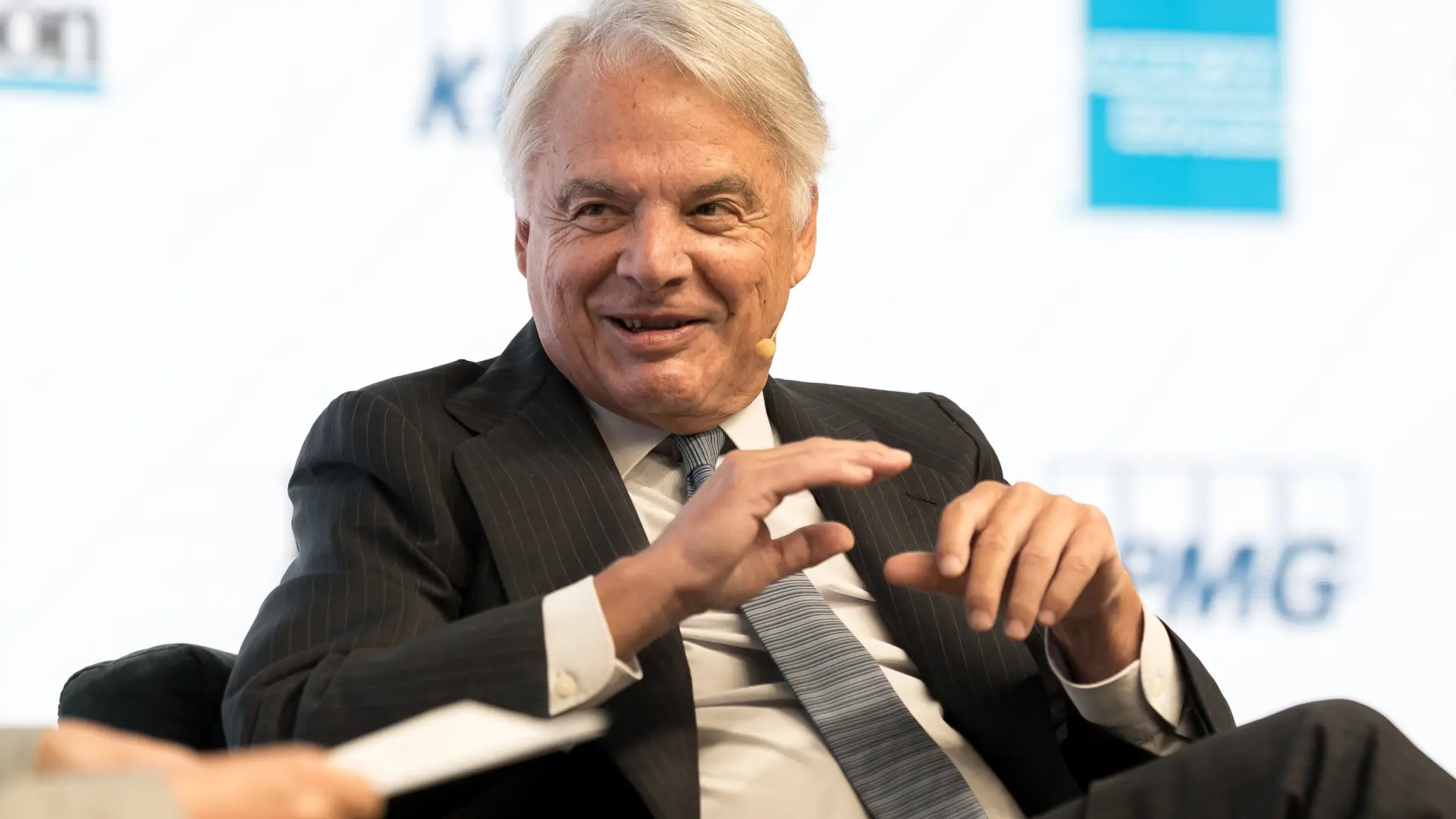
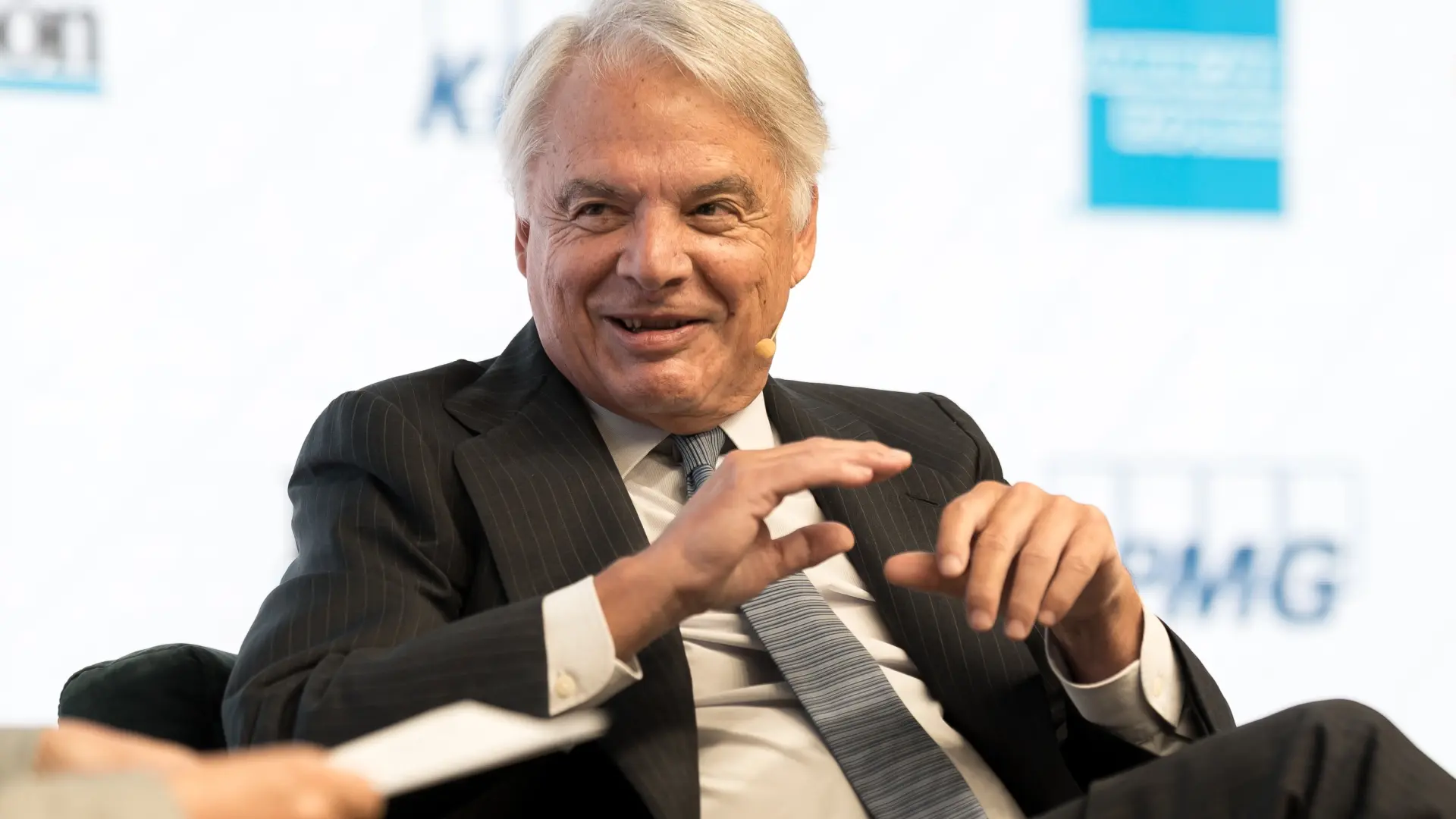
The president of Grupo Mutua, Ignacio Garralda, urges to undertake a “profound” reform of the pension system with the focus on the recommendations launched by the European Commission, from which they recommend promoting automatic adhesion to employment pension plans as a complement to public retirement. “We cannot delay solutions any longer, I insist that now is the time to act, because we cannot continue postponing the search for an effective and lasting solution,” he said.
Garralda, who was in charge of starting the presentation of the Pensions Observatory, has pointed out the sustainability of the pension model as one of the main challenges facing Spanish society at the moment. “We have a pension system that spends more than it collects, even in years of favorable economic conditions,” he pointed out after highlighting that spending on pensions will be around 216,000 million in 2025, with the transfer of 50,000 million by the State being necessary. The amount is equivalent to 3% of Spanish GDP and the entire public deficit expected for the entire year, as he has warned.
Given that “practically all retirement savings rest in the public system”, Garralda considers that seeking a solution based on higher income will cause resignations, either due to contributions or transfers from the State, with greater strain on public spending. Thus, he has warned that this will only cause a loss of resources towards other items such as health or education.
The manager has set as a “clear” example to imitate the Basque model, which is supported by the Voluntary Social Security Entity (EPSV). This project has assets equivalent to 32% of GDP and membership that represents 25% of those employed. “The figures show records that are clearly higher than the private pension plans in Spain as a whole, in which assets only represent 8% of GDP and only 14% of workers have an employment plan,” he maintained.
The ‘problem’ of contributions
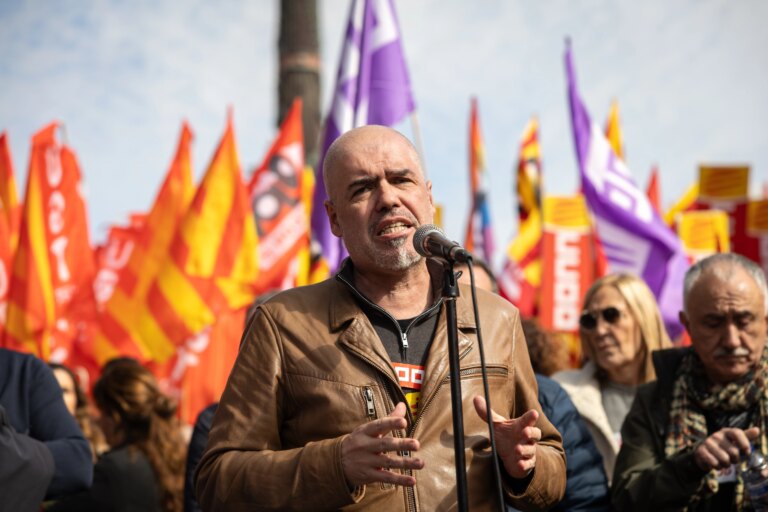
However, experts see that the implementation of this project involves some difficulties. “We want there to be a complementary system, but we do not want to make contributions,” argued the secretary of public policies and Social Security of CCOO, Carlos Bravo. During his speech at the panel ‘Complementary pension systems in Spain’, he cited as one of the main problems the lack of development of complementary systems and the fact that brick still remains the favorite destination for Spaniards’ savings. According to the data you have provided, 74% of savings in Spain are in real estate.
In parallel, the president of Unespa – the insurance employer’s association -, Mirenchu del Valle, has been optimistic with the recommendations launched by the Community Executive, which she sees as an impulse; while the president of Inverco, Ángel Martínez-Aldamarecalled that the Ministry of Finance saves 580 million as a result of the reduction of the deductible limit on contributions to simplified pension plans from 8,000 euros to 1,500 euros.
In contrast, these investment vehicles have seen money inflows cut by 12.5 billion over the last five years. “The growth of the economy and productivity depends on the development of pension plans,” he detailed.