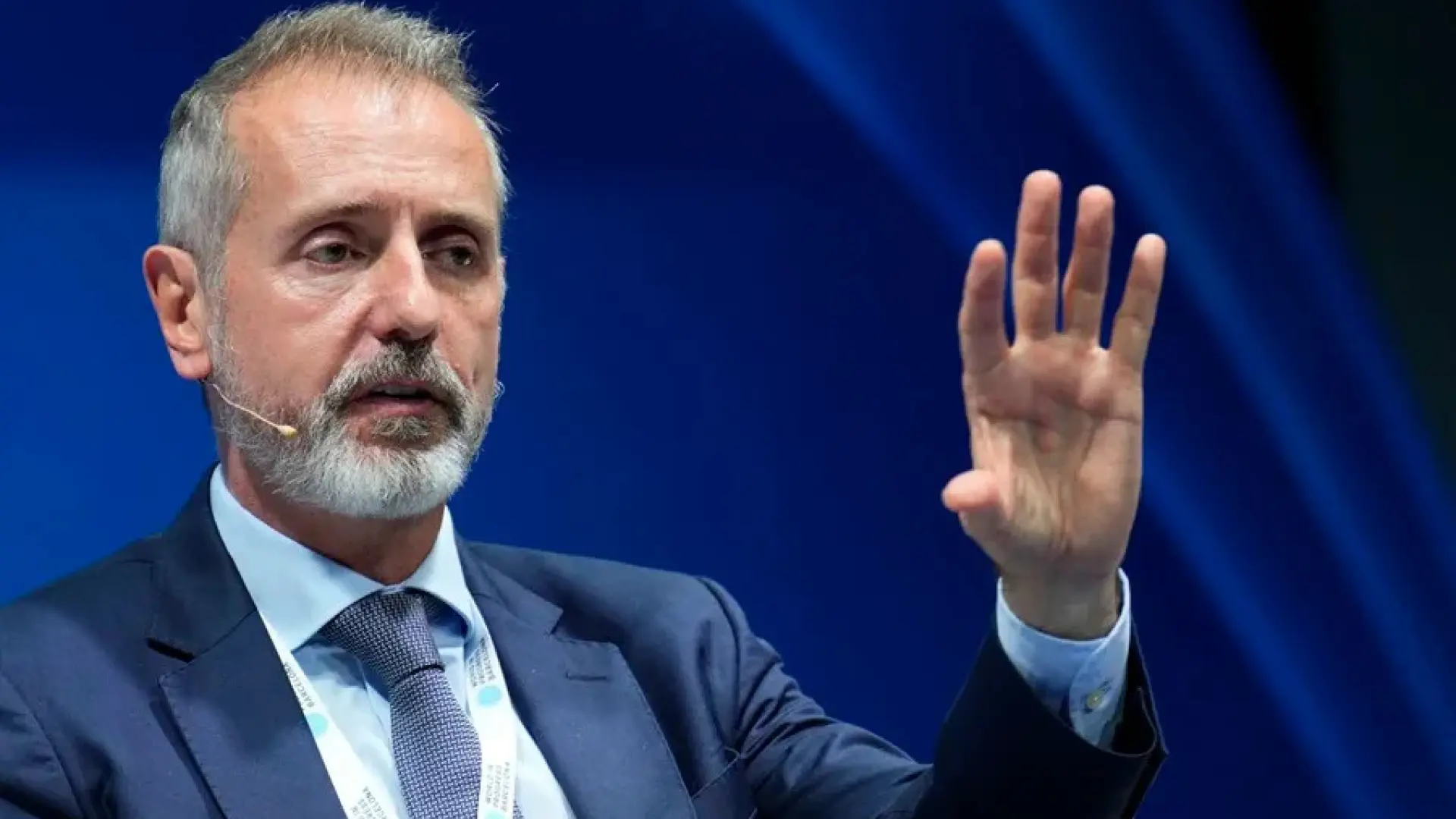
“We want to lead the new telecommunications disruption”
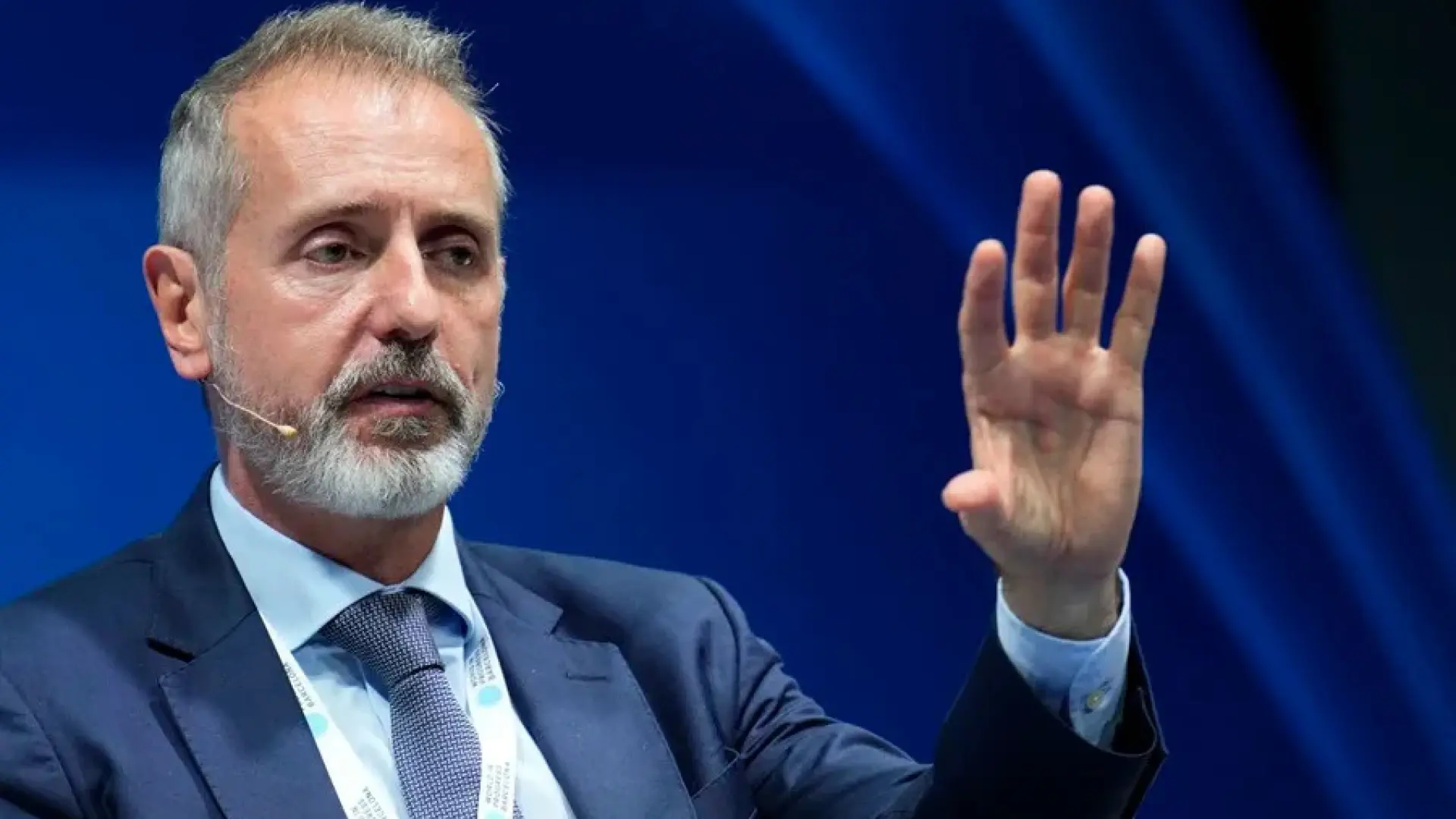
Telefónica is counting the days to reveal its new direction to the market. The Spanish telecommunications group will present its new strategic plan on November 4, the foundations of which will be based on profitable mergers, the simplification of the company and cybersecurity. All of this, as its president Marc Murtra announced this Monday, will meet the objective of “lead the strong disruption of the telecommunications sector”.
“We see that there is going to be a disruption in the telecommunications market. It is difficult to know exactly when it is going to happen, because it depends on many actors. But to lead a disruption we must have a strategic framework for understanding where we are and where technologies are taking us. a plan To take advantage of this strategic framework, a team to execute that plan that operates within that strategic framework, and a follow-up“If you allow me, very clear about the execution, because if all of this does not execute the results, it is of no use, it does not work,” Murtra defended during his speech at the XXVIII National Congress of Family Business.
With the same tone that he has been using in his interventions as president of ‘teleco’, Murtra has called for European consolidation to narrow the competitive gap with the rest of the world powers. “It so happens that In China, India and the United States there are three telecommunications companies per country, while in Europe there are 38. That means that European companies invest an average of 700 million euros in technology and in the US they invest more than 20,000 million.”
For the manager, Europe is experiencing a ‘Sputnik moment’ – in reference to the first artificial satellite that marked the beginning of the Cold War space race. “We realize that we have lost the development of great technologies of the last 20 years, “which are mainly digital technologies” he pointed out before emphasizing the regulatory problems he detects in the Old Continent. “On the one hand, we see excess regulation and on the other, we see it asymmetrical: European technology companies are subject to regulation to operate in Europe, but American or Chinese companies that operate here are not subject to those regulations,” he lamented.
News in expansion…